English
- English
- Español
- Português
- русский
- Français
- 日本語
- Deutsch
- tiếng Việt
- Italiano
- Nederlands
- ภาษาไทย
- Polski
- 한국어
- Svenska
- magyar
- Malay
- বাংলা ভাষার
- Dansk
- Suomi
- हिन्दी
- Pilipino
- Türkçe
- Gaeilge
- العربية
- Indonesia
- Norsk
- تمل
- český
- ελληνικά
- український
- Javanese
- فارسی
- தமிழ்
- తెలుగు
- नेपाली
- Burmese
- български
- ລາວ
- Latine
- Қазақша
- Euskal
- Azərbaycan
- Slovenský jazyk
- Македонски
- Lietuvos
- Eesti Keel
- Română
- Slovenski
- मराठी
- Srpski језик

Why Choose CmallBio Hydrocolloid Acne Patches for Targeted Blemish Care?
When exploring skincare solutions for blemishes, consumers often compare traditional spot treatments containing ingredients such as benzoyl peroxide, salicylic acid, or sulfur with hydrocolloid acne patches. Although both options can play a role in blemish care, they work in different ways and serve different skincare needs.
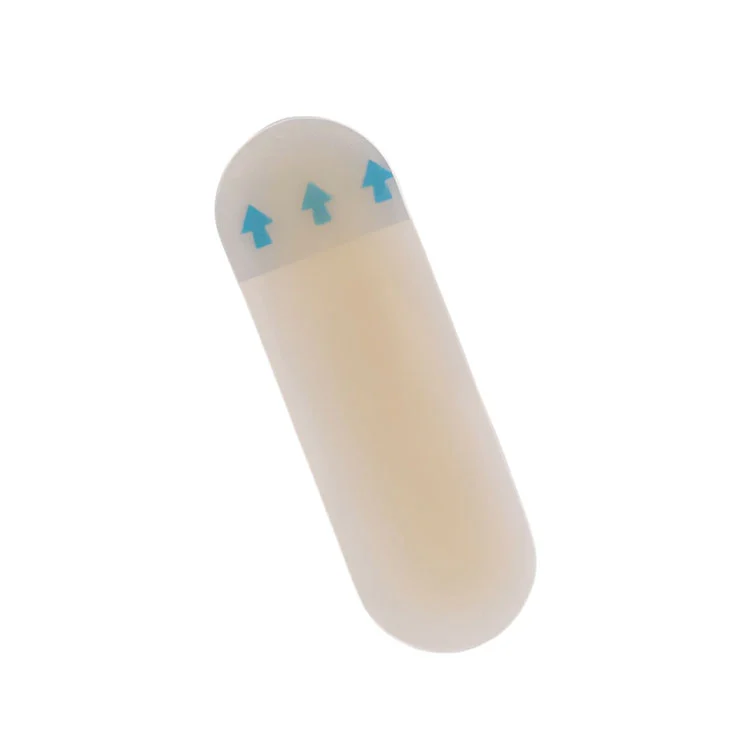
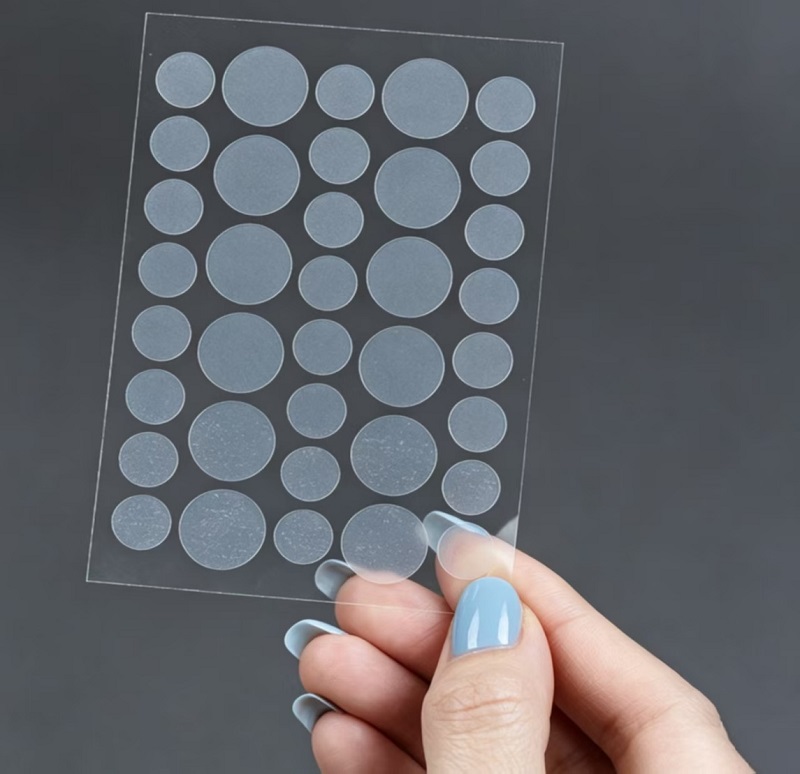
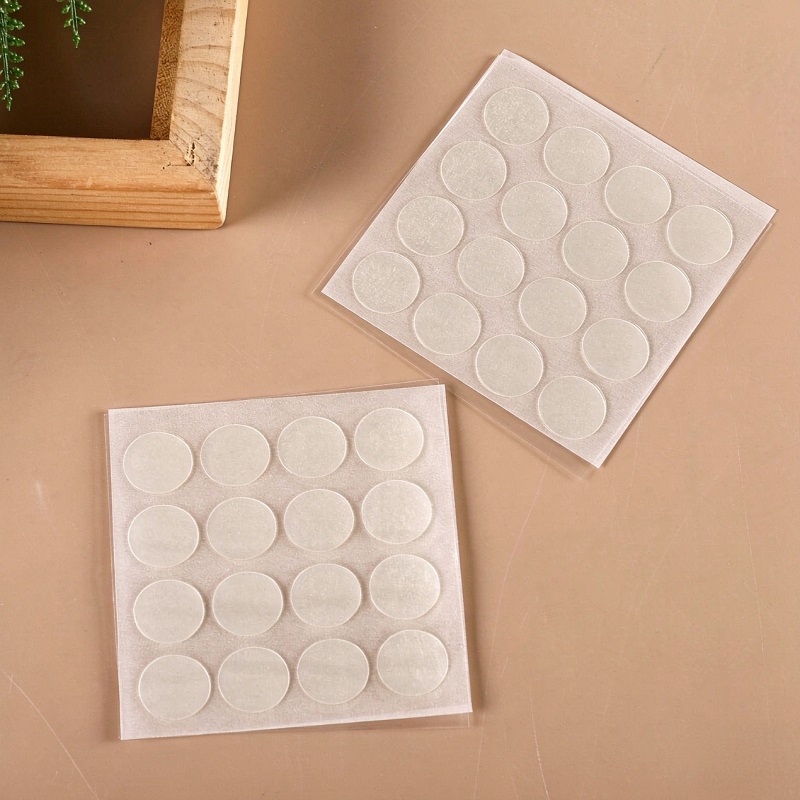
CmallBio hydrocolloid acne patches offer a convenient, non-invasive approach to targeted blemish care. Designed to cover individual spots, these patches help absorb fluid from suitable surface blemishes while creating a protective barrier against external contaminants and unnecessary touching. For skincare brands, distributors, and private-label businesses, hydrocolloid patches also provide a versatile product option for expanding their acne care portfolios.
How Traditional Spot Treatments Work
Traditional acne spot treatments commonly use active ingredients such as benzoyl peroxide, salicylic acid, or sulfur. Depending on the formulation, these ingredients can help address different factors associated with acne.
Benzoyl peroxide: Helps reduce acne-causing bacteria and is commonly used in products designed for inflammatory acne.
Salicylic acid: Helps exfoliate dead skin cells and unclog pores, making it a common ingredient in products for blemish-prone skin.
Sulfur: Can help reduce excess oil and support the management of certain types of blemishes.
While these ingredients can be useful for acne management, some formulations may cause dryness, peeling, redness, or irritation, particularly when used too frequently or on sensitive skin. Their suitability depends on the ingredient concentration, product formulation, and individual skin tolerance.
Traditional spot treatments also generally require direct application to the affected area according to the product instructions. Depending on the formulation, they may be used as part of a daily skincare routine rather than as a physical covering for an individual blemish.
How CmallBio Hydrocolloid Acne Patches Work
CmallBio hydrocolloid acne patches use a different approach to blemish care. Rather than relying primarily on active ingredients to treat acne, hydrocolloid patches create a protective covering over suitable surface blemishes.
Absorbing Fluid from Surface Blemishes
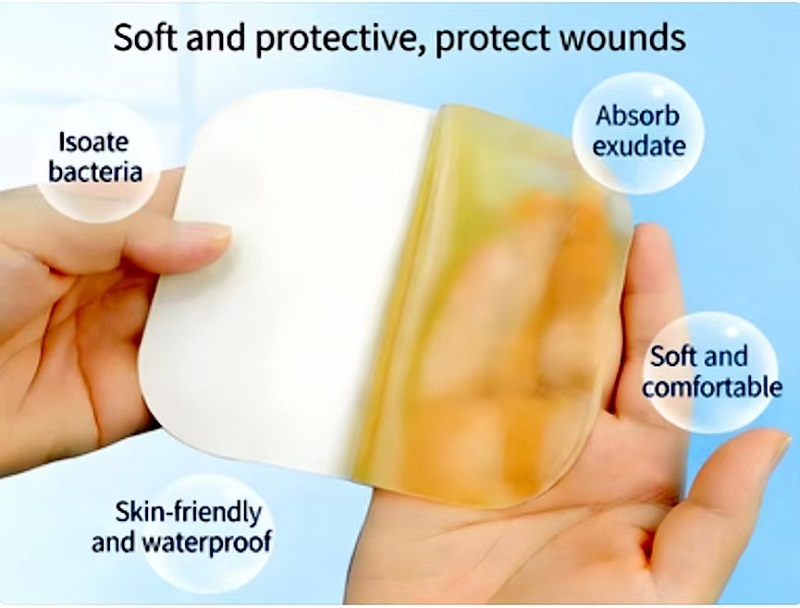
Hydrocolloid is a moisture-absorbing material commonly used in wound dressings. When applied to a suitable superficial blemish, the patch can absorb fluid from the affected area. This process may help keep the covered area protected and support an appropriate moist environment for skin recovery.
Creating a Protective Barrier
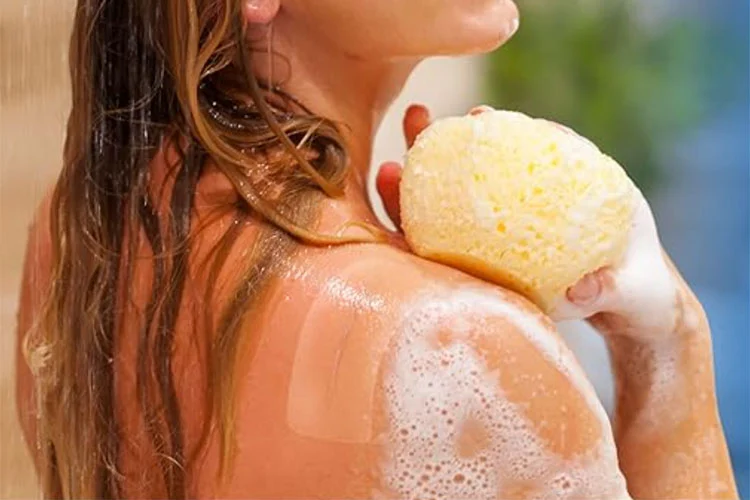
By covering an individual blemish, an acne patch helps reduce direct contact with dirt, friction, and external contaminants. It can also serve as a physical reminder not to squeeze, scratch, or repeatedly touch the affected area.
Supporting Convenient, Targeted Use
Hydrocolloid acne patches are designed for localized application, making them easy to incorporate into a skincare routine. They can be particularly useful for suitable surface blemishes that have developed a visible head or contain fluid. They are generally less suitable for deep, painful cystic acne or blackheads that require a different treatment approach.
A Non-Medicated Option
Standard hydrocolloid patches work primarily through moisture absorption and physical protection rather than through acne medication. This makes them a useful alternative for consumers who prefer a targeted covering without applying additional active ingredients directly to every blemish. However, the ingredients and product specifications should always be checked, as some acne patches contain added active ingredients.
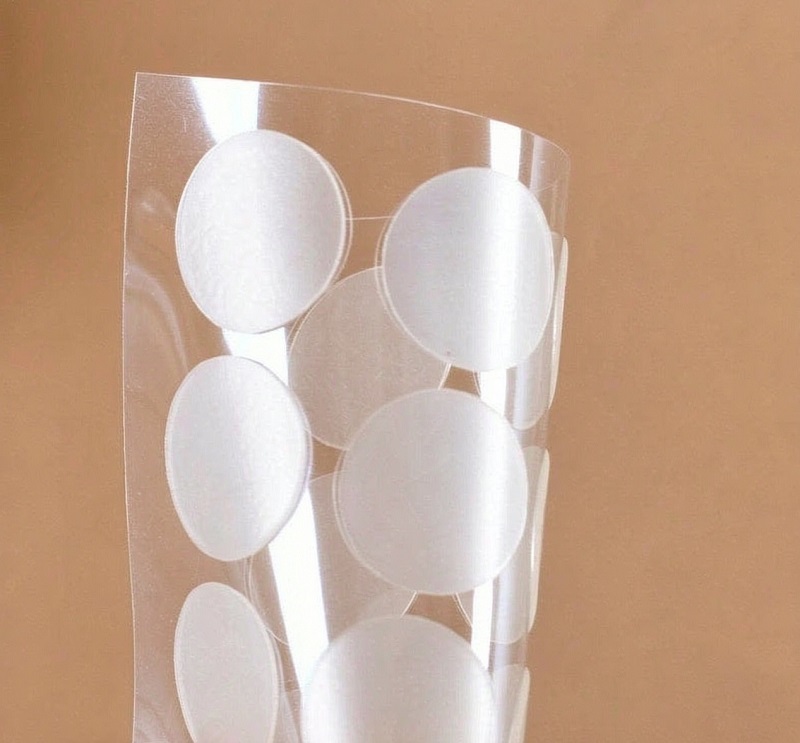
Hydrocolloid Acne Patches vs. Traditional Spot Treatments
Choosing between a hydrocolloid acne patch and a traditional spot treatment depends on the type of blemish, skin condition, and personal skincare preferences.
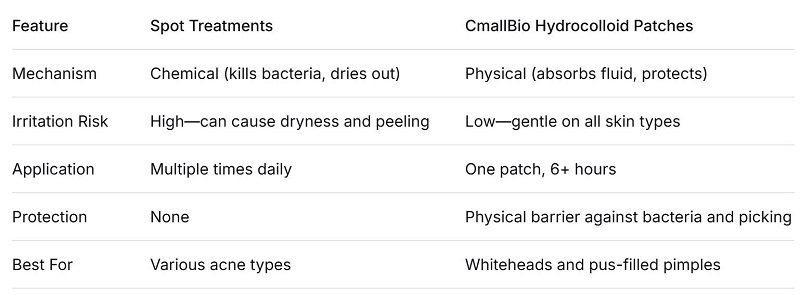
| Comparison Factor | Hydrocolloid Acne Patches | Traditional Spot Treatments |
|---|---|---|
| Primary approach | Absorb fluid and provide a protective covering | Use active ingredients to address acne-related factors |
| Typical application | Applied directly over a suitable individual blemish | Applied to affected areas according to product directions |
| Physical protection | Creates a barrier over the covered area | Generally does not provide a physical covering |
| Potential skin concerns | Adhesives may irritate sensitive skin in some users | Some active ingredients may cause dryness, peeling, or irritation |
| Suitable applications | Selected superficial blemishes, especially those containing fluid | Depends on the active ingredient and type of acne |
| Role in skincare | Targeted blemish covering and fluid absorption | Ingredient-based acne management |
These products are not necessarily direct substitutes. Hydrocolloid patches focus on protecting and absorbing fluid from suitable surface blemishes, while traditional spot treatments address acne through their specific active ingredients. In some skincare routines, they may serve complementary purposes, provided the products are used appropriately and do not cause irritation.
Why Choose CmallBio Hydrocolloid Acne Patches?
For skincare brands, wholesalers, retailers, and private-label businesses, selecting a suitable hydrocolloid acne patch supplier involves more than evaluating the basic product concept. Product consistency, material specifications, customization options, and supply capabilities are also important considerations.
Targeted Blemish Care: Hydrocolloid patches provide a practical way to cover individual surface blemishes without applying a spot treatment across a larger area of skin.
Convenient Application: Their localized format makes them easy to include in everyday skincare routines, travel kits, and personal care product ranges.
Versatile Product Positioning: Hydrocolloid acne patches can complement existing skincare collections, including facial care and blemish management products.
Potential for Brand Customization: Depending on available manufacturing services, brands can explore different patch sizes, shapes, packaging formats, and private-label options to meet their target market requirements.
Product Specification Evaluation: Before selecting a product for commercial distribution, buyers should review its material composition, adhesive properties, dimensions, packaging specifications, quality documentation, and applicable market requirements.
How to Use Hydrocolloid Acne Patches
For best results, follow the instructions supplied with the specific product. General application guidance includes the following steps:
Step 1: Clean and Dry the Skin. Gently cleanse the affected area and ensure that the skin is completely dry before application.
Step 2: Apply the Patch. Place the hydrocolloid patch directly over a suitable surface blemish, ensuring that it adheres properly to the skin.
Step 3: Leave It in Place as Directed. Follow the manufacturer's recommended wear time and replace the patch when necessary.
Step 4: Remove Gently. Carefully remove the patch without pulling or irritating the surrounding skin. Discontinue use if irritation develops.
Hydrocolloid patches are not a cure for all types of acne. Persistent, severe, painful, or scarring acne may require advice from a qualified healthcare professional.
What Should Buyers Consider When Sourcing Hydrocolloid Acne Patches?
For importers, distributors, skincare brands, and private-label businesses, evaluating a hydrocolloid acne patch supplier requires attention to both product performance and commercial requirements.
Material Quality: Review the hydrocolloid material, adhesive composition, product dimensions, and relevant quality specifications.
Product Consistency: Ask about manufacturing quality controls, batch consistency, and available product testing documentation.
Customization Options: Confirm whether the supplier can accommodate different shapes, sizes, packaging designs, and branding requirements.
Packaging and Shelf Life: Check individual packaging, storage recommendations, shelf-life documentation, and transport suitability.
Regulatory Documentation: Verify the product classification, labeling requirements, and applicable regulations in the intended sales market. Request supporting documents where required.
Supply Capacity: Discuss minimum order quantities, production lead times, sample availability, and arrangements for repeat orders before establishing a long-term supply relationship.
Conclusion: A Practical Option for Modern Blemish Care
Hydrocolloid acne patches and traditional spot treatments offer different approaches to blemish care. While conventional treatments rely on active ingredients to address acne-related factors, hydrocolloid patches focus on fluid absorption and physical protection for suitable surface blemishes.
CmallBio hydrocolloid acne patches offer a convenient product option for targeted blemish care and can complement a broader skincare product range. For businesses looking to develop or expand their acne patch offerings, evaluating material quality, product specifications, customization options, and supplier capabilities is an important step toward selecting a suitable solution.
By understanding the differences between hydrocolloid patches and traditional spot treatments, skincare brands and buyers can make more informed product selection decisions based on consumer needs and target market requirements.
Next :
-
Related News
- Heel Calluses and Corns: Can Hydrocolloid Dressings Soften and Relieve Them?
- How to Manage Old Raised Scars at Home: The Growing Role of Silicone Gel Scar Sheets
- How CmallBio Hydrocolloid Patches Reduce Inflammation Fast?
- Diabetes Foot Care: Precautions for Using Cmallbio Hydrocolloid Dressing
- What Scar Patch Is Best for C-Section Hypertrophic Scars? A 2026 Medical-Grade Scar Patch Buying Guide
- Runner’s Foot Care: Why Hydrocolloid Heel Patches Are Worth Keeping on Hand?
Leave me a message