English
- English
- Español
- Português
- русский
- Français
- 日本語
- Deutsch
- tiếng Việt
- Italiano
- Nederlands
- ภาษาไทย
- Polski
- 한국어
- Svenska
- magyar
- Malay
- বাংলা ভাষার
- Dansk
- Suomi
- हिन्दी
- Pilipino
- Türkçe
- Gaeilge
- العربية
- Indonesia
- Norsk
- تمل
- český
- ελληνικά
- український
- Javanese
- فارسی
- தமிழ்
- తెలుగు
- नेपाली
- Burmese
- български
- ລາວ
- Latine
- Қазақша
- Euskal
- Azərbaycan
- Slovenský jazyk
- Македонски
- Lietuvos
- Eesti Keel
- Română
- Slovenski
- मराठी
- Srpski језик

Diabetes Foot Care: Precautions for Using Cmallbio Hydrocolloid Dressing
Important Considerations for Diabetic Foot Care
Foot care for diabetic patients requires special attention. While hydrocolloid dressings can be an effective option for protecting heel blisters and minor wounds in the general population, people with diabetes should consult a qualified healthcare professional before using them.
This precaution is related to the unique characteristics of the diabetic foot. Long-term hyperglycemia may contribute to peripheral neuropathy, which can reduce sensation in the feet, as well as vascular complications that may impair blood circulation. As a result, minor friction, pressure, or a foreign object inside a shoe that would normally be noticed immediately may go unnoticed by a diabetic patient until the condition becomes more serious.
Without timely assessment and appropriate care, a minor skin injury may progress to infection, ulceration, or other serious complications. Therefore, even seemingly small foot wounds should be taken seriously by people with diabetes.
Can Hydrocolloid Dressings Be Used for Diabetic Foot Wounds?
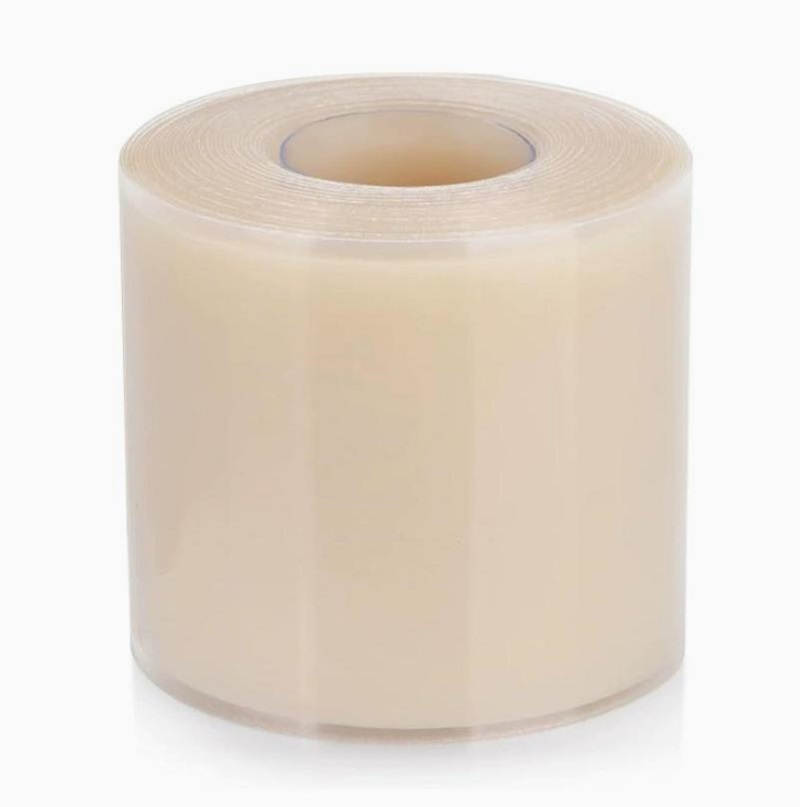
Hydrocolloid dressings are not automatically contraindicated for diabetic patients. In certain situations, a hydrocolloid dressing may be considered for dry, non-infected wounds when appropriate for the wound condition and recommended by a qualified healthcare professional.
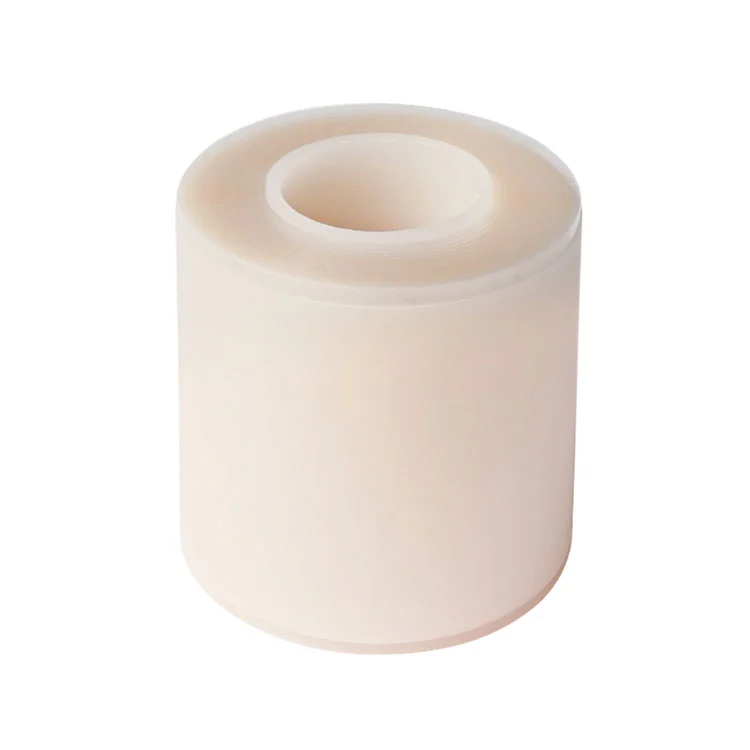
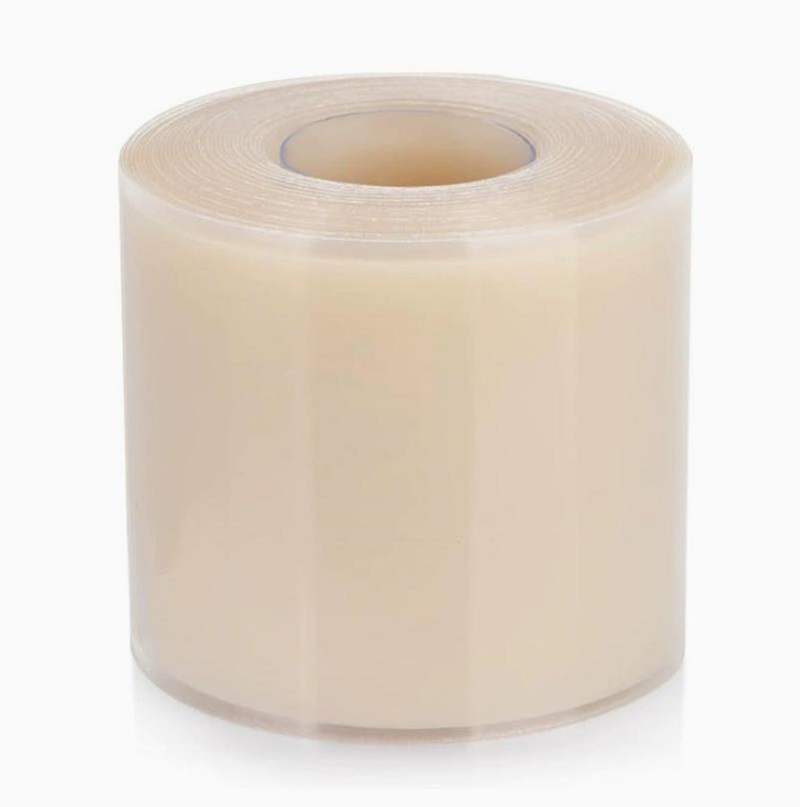
Cmallbio hydrocolloid dressing can help maintain a moist wound environment and provide a protective barrier against external friction. However, the suitability of a hydrocolloid dressing depends on factors such as the wound condition, level of exudate, presence of infection, circulation, and overall diabetic foot risk.
When Hydrocolloid Dressing Should Not Be Used
Hydrocolloid dressings are generally not appropriate in several situations and should not be applied without professional evaluation.
1. Infected Wounds
Hydrocolloid dressing should not be used as a self-treatment option for wounds showing signs of infection, such as pus, increasing redness, swelling, warmth, unpleasant odor, or other concerning symptoms. Infected wounds require prompt medical assessment and an appropriate treatment plan.
2. Wounds with Black Eschar or Necrotic Tissue
Wounds containing black eschar or necrotic tissue may require professional debridement and specialized wound management. Applying a dressing without proper wound assessment may delay appropriate treatment.
3. Wounds with Heavy Exudate
Hydrocolloid dressings may not be suitable for wounds with excessive drainage. In cases of heavy exudate, the wound may require a dressing with different absorption and fluid-management properties, depending on professional assessment.
Why Professional Assessment Is Important
For diabetic patients, any foot wound should ideally be evaluated by a qualified healthcare professional before selecting a dressing. Proper assessment can help determine the wound stage, infection status, amount of exudate, circulation condition, and the most appropriate wound-care approach.
Clinical wound-care guidance generally emphasizes that infected wounds require appropriate medical management rather than routine self-treatment with an occlusive dressing. For diabetic foot care, early assessment is especially important because reduced sensation and impaired circulation may allow a small injury to worsen without obvious warning signs.
Using Cmallbio Hydrocolloid Heel Patches Responsibly
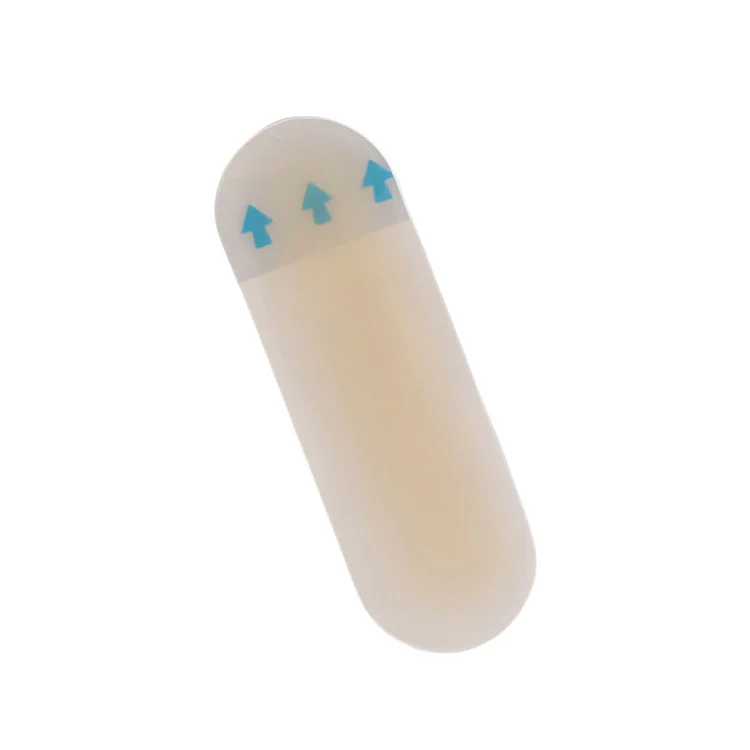
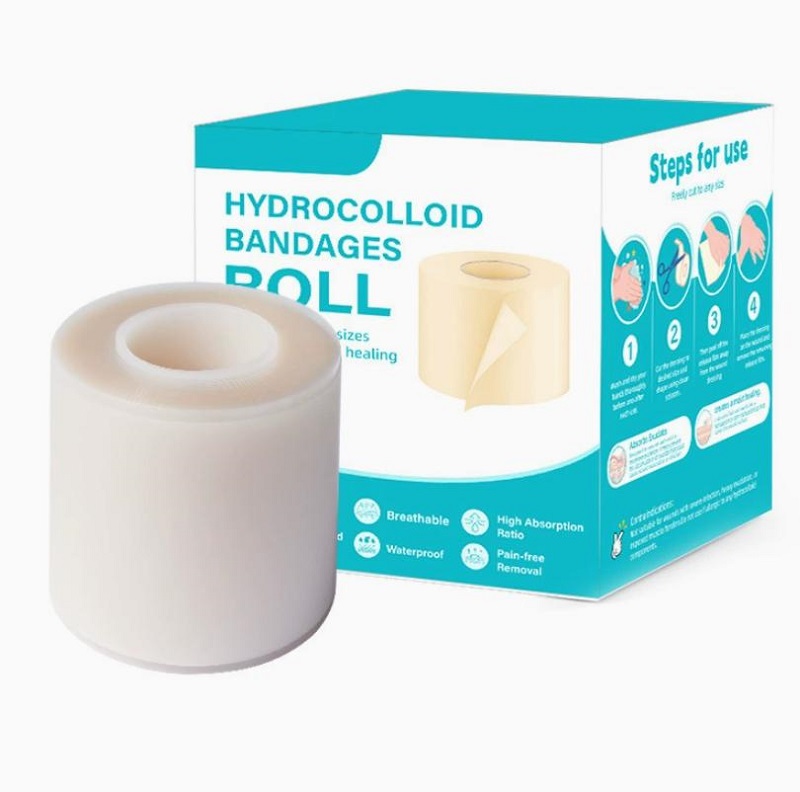
Cmallbio hydrocolloid heel patches are not absolutely prohibited for people with diabetes, but they should only be used when a healthcare professional considers them appropriate for the individual's specific foot condition.
Diabetic patients should avoid relying solely on self-assessment when dealing with blisters, wounds, or other skin injuries on the feet. If there are signs of infection, poor healing, discoloration, increasing pain, swelling, or other unusual changes, professional medical attention should be sought promptly.
Related News
- Heel Calluses and Corns: Can Hydrocolloid Soften and Relieve Them?
- Why Choose CmallBio Hydrocolloid Acne Patches for Targeted Blemish Care?
- Heel Calluses and Corns: Can Hydrocolloid Dressings Soften and Relieve Them?
- How to Manage Old Raised Scars at Home: The Growing Role of Silicone Gel Scar Sheets
- How CmallBio Hydrocolloid Patches Reduce Inflammation Fast?
- What Scar Patch Is Best for C-Section Hypertrophic Scars? A 2026 Medical-Grade Scar Patch Buying Guide
Leave me a message