
English
- English
- Español
- Português
- русский
- Français
- 日本語
- Deutsch
- tiếng Việt
- Italiano
- Nederlands
- ภาษาไทย
- Polski
- 한국어
- Svenska
- magyar
- Malay
- বাংলা ভাষার
- Dansk
- Suomi
- हिन्दी
- Pilipino
- Türkçe
- Gaeilge
- العربية
- Indonesia
- Norsk
- تمل
- český
- ελληνικά
- український
- Javanese
- فارسی
- தமிழ்
- తెలుగు
- नेपाली
- Burmese
- български
- ລາວ
- Latine
- Қазақша
- Euskal
- Azərbaycan
- Slovenský jazyk
- Македонски
- Lietuvos
- Eesti Keel
- Română
- Slovenski
- मराठी
- Srpski језик

Industry News
 26 2026-10
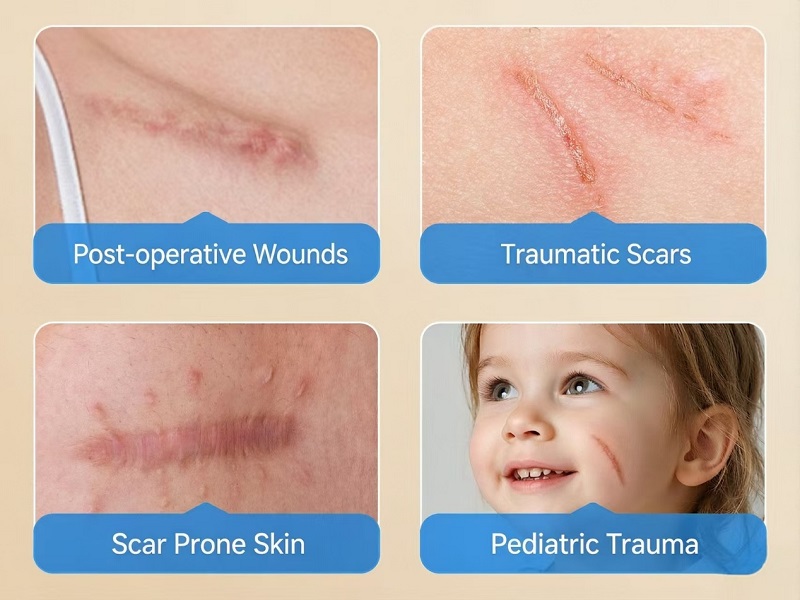
Ideal Skin Repair Solution for Old Raised Scars in Daily Use
For millions of people across Europe, Southeast Asia, and the Middle East, old raised scars are more than a cosmetic concern. Hypertrophic scars and keloids can itch, feel tight, and serve as a daily reminder of past surgery, burns, or injury. While surgical revision and laser therapy remain clinical options, dermatologists consistently point to medical-grade silicone as the first-line, non-invasive approach for managing raised scars at home.
 16 2026-10
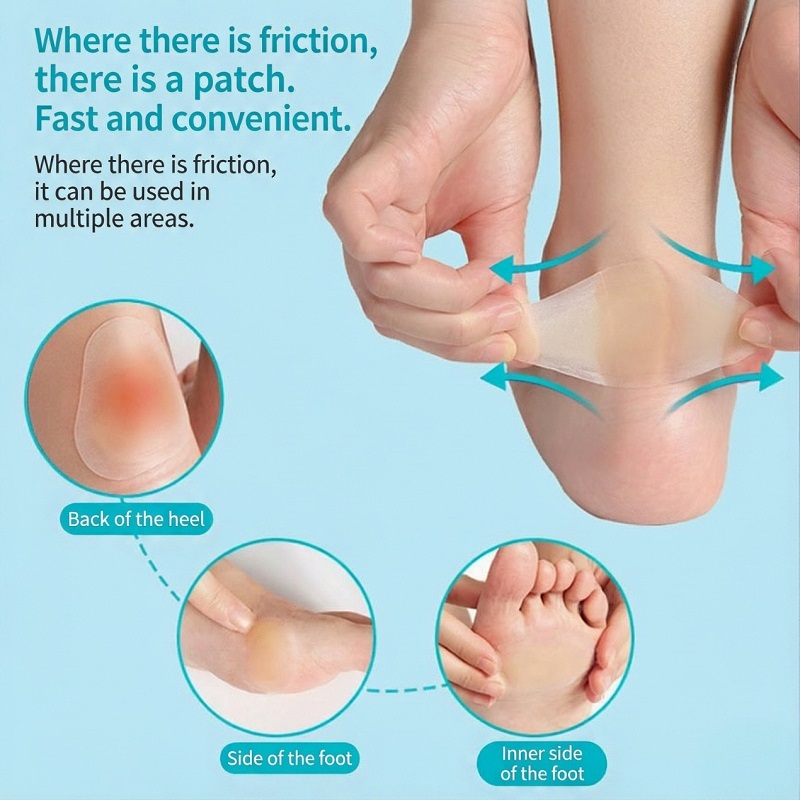
Heel Calluses and Corns: Can Hydrocolloid Soften and Relieve Them?
Heel calluses and corns are not usually acute skin problems like blisters, but the discomfort they cause can be persistent. Thickened skin may make walking feel uneven, create pressure inside shoes, and affect the appearance of the feet. Hydrocolloid technology can provide a gentle supportive approach by helping soften hardened skin while reducing friction and pressure on sensitive areas.
 09 2026-10
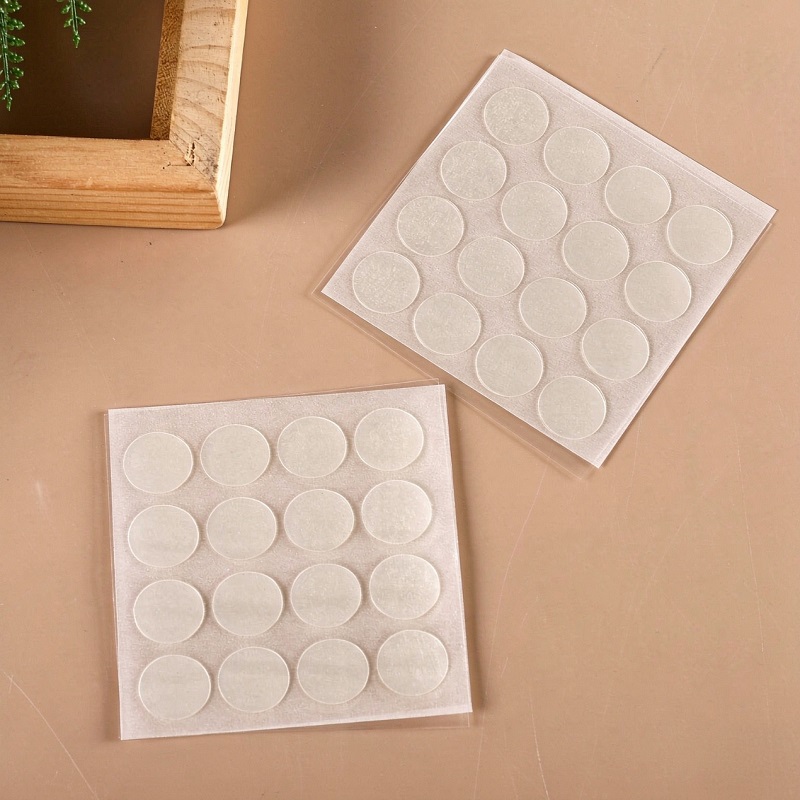
Why Choose CmallBio Hydrocolloid Acne Patches for Targeted Blemish Care?
When exploring skincare solutions for blemishes, consumers often compare traditional spot treatments containing ingredients such as benzoyl peroxide, salicylic acid, or sulfur with hydrocolloid acne patches. Although both options can play a role in blemish care, they work in different ways and serve different skincare needs.
 28 2026-09
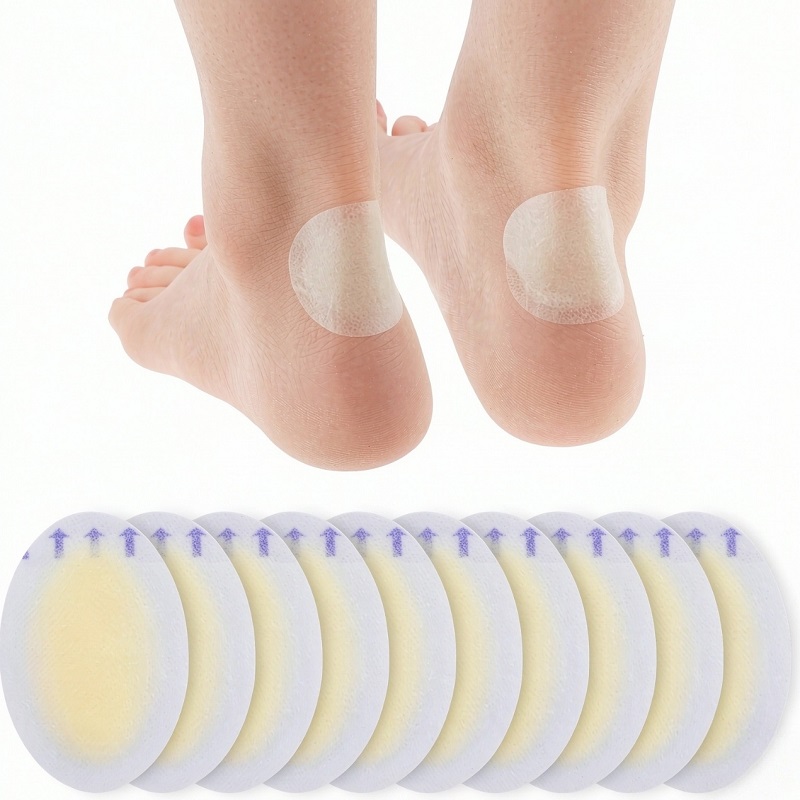
Heel Calluses and Corns: Can Hydrocolloid Dressings Soften and Relieve Them?
Heel calluses and corns are not acute skin issues like blisters, but the discomfort they cause can be persistent and long-lasting. Thickened skin on the heels and soles may lead to pain while walking, discomfort when wearing shoes, and concerns about foot appearance. Hydrocolloid dressing technology offers a practical and gentle approach to help soften hardened skin, reduce friction, and relieve discomfort.
 16 2026-09
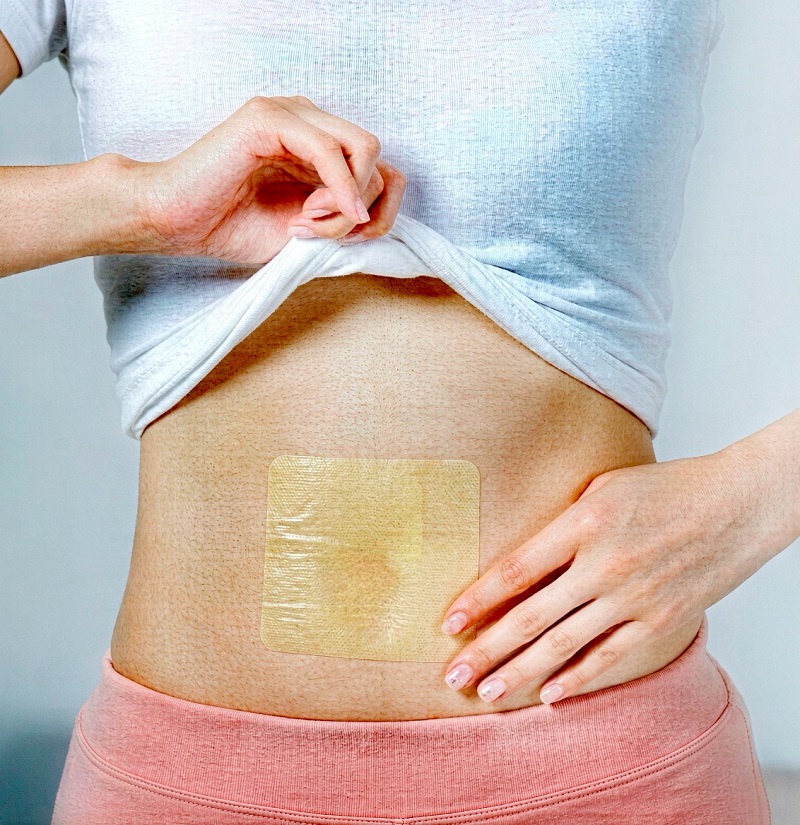
How to Manage Old Raised Scars at Home: The Growing Role of Silicone Gel Scar Sheets
For consumers worldwide, old raised scars such as hypertrophic scars and keloids are more than a cosmetic concern. Many people experience long-term discomfort, including itching, skin tightness, sensitivity, and irritation caused by clothing friction. As awareness of personal healthcare and scar management continues to grow, more households are looking for safe and convenient at-home solutions to improve the appearance and comfort of mature scars.
 09 2026-09
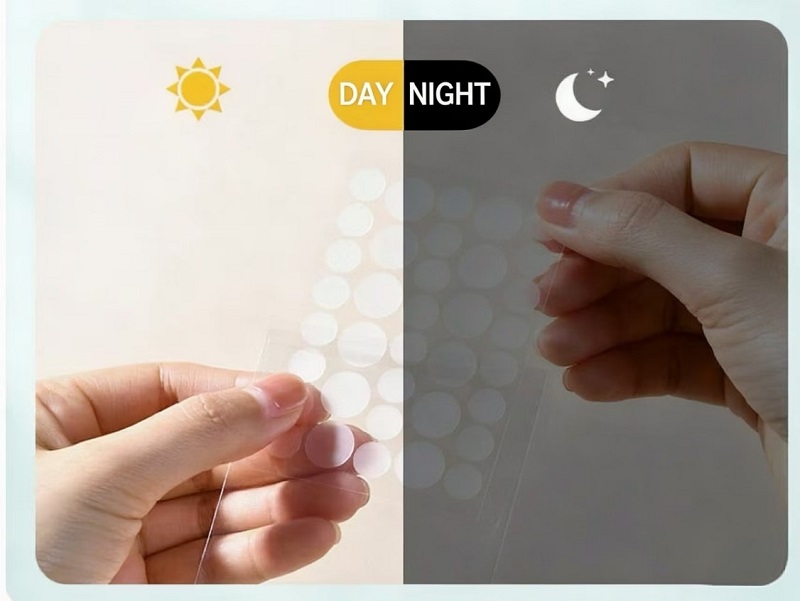
How CmallBio Hydrocolloid Patches Reduce Inflammation Fast?
That painful, red bump on your face is more than just a cosmetic concern—it is a sign of skin inflammation. When bacteria, excess oil, and dead skin cells build up inside a clogged pore, your immune system responds by triggering inflammation, causing pimples to become red, swollen, and tender.