English
- English
- Español
- Português
- русский
- Français
- 日本語
- Deutsch
- tiếng Việt
- Italiano
- Nederlands
- ภาษาไทย
- Polski
- 한국어
- Svenska
- magyar
- Malay
- বাংলা ভাষার
- Dansk
- Suomi
- हिन्दी
- Pilipino
- Türkçe
- Gaeilge
- العربية
- Indonesia
- Norsk
- تمل
- český
- ελληνικά
- український
- Javanese
- فارسی
- தமிழ்
- తెలుగు
- नेपाली
- Burmese
- български
- ລາວ
- Latine
- Қазақша
- Euskal
- Azərbaycan
- Slovenský jazyk
- Македонски
- Lietuvos
- Eesti Keel
- Română
- Slovenski
- मराठी
- Srpski језик

Heel Calluses and Corns: Can Hydrocolloid Dressings Soften and Relieve Them?
Heel calluses and corns are not acute skin issues like blisters, but the discomfort they cause can be persistent and long-lasting. Thickened skin on the heels and soles may lead to pain while walking, discomfort when wearing shoes, and concerns about foot appearance. Hydrocolloid dressing technology offers a practical and gentle approach to help soften hardened skin, reduce friction, and relieve discomfort.
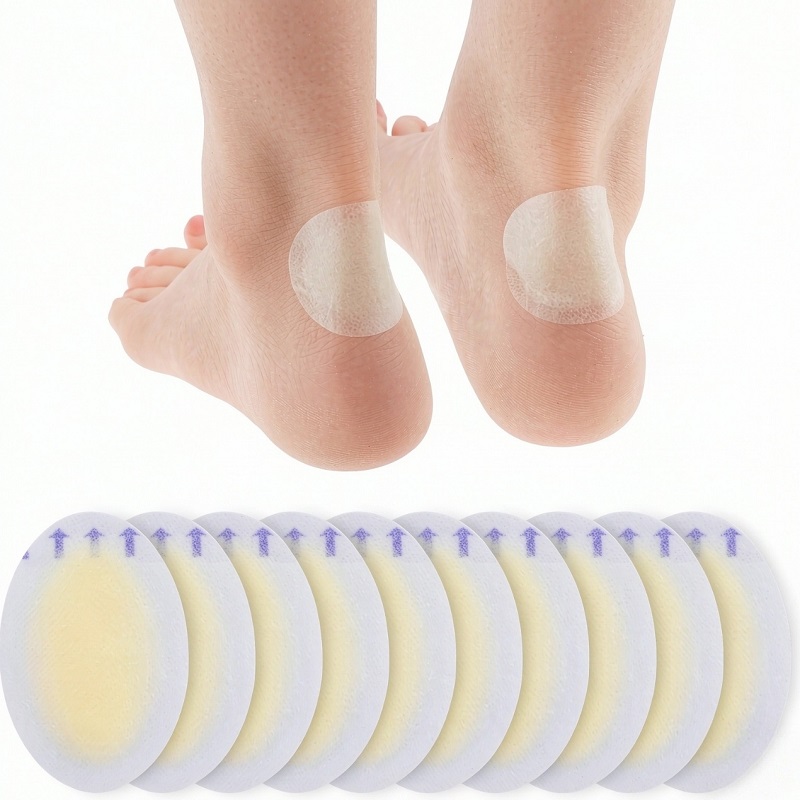
How Do Hydrocolloid Dressings Work on Heel Calluses?
The mechanism of hydrocolloid dressings for calluses is different from their use on blisters. Instead of primarily absorbing wound fluid, hydrocolloid patches work through occlusive moisturization to improve skin hydration.
When a hydrocolloid patch is applied to a heel callus and remains in place for several hours or even days, it creates a moist local microenvironment. This helps increase the hydration level of the stratum corneum, gradually softening thick and hardened skin. As a result, callused areas become easier to naturally shed or gently remove during routine foot care.
Hydrocolloid Callus Patches for Softer and More Comfortable Feet
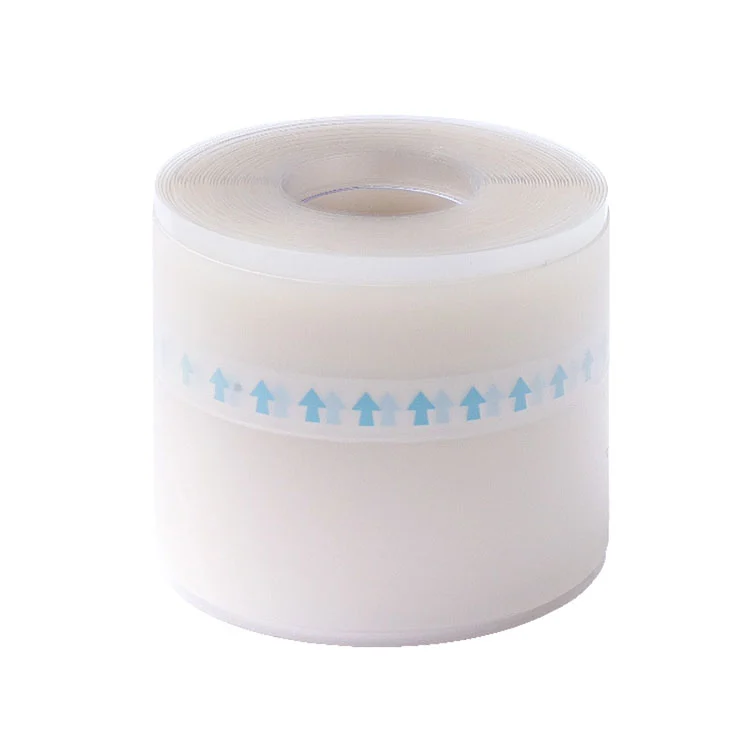
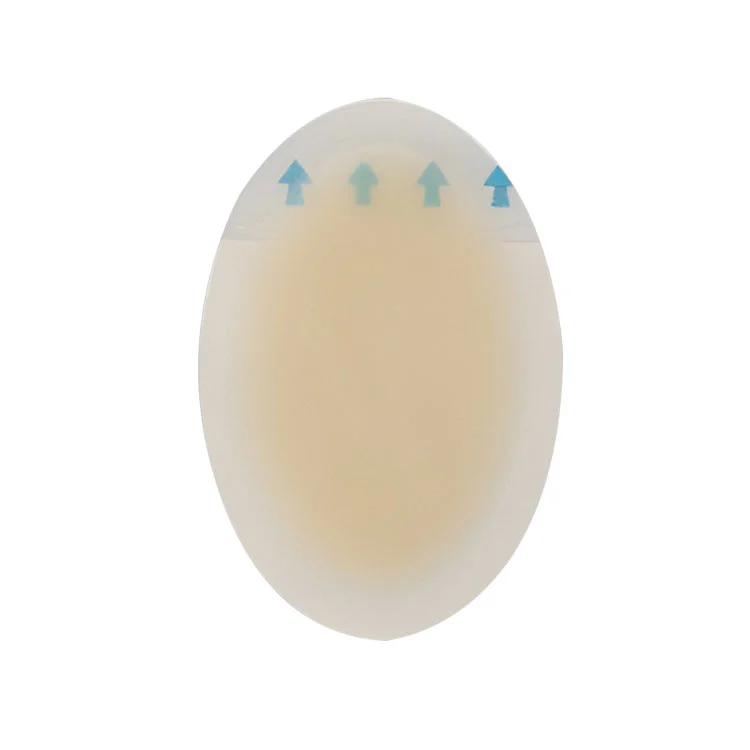
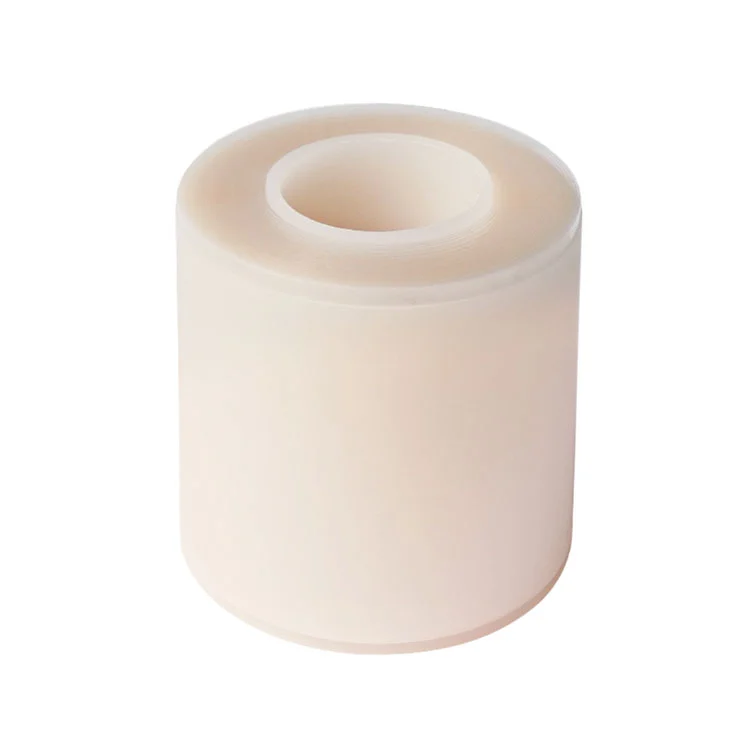
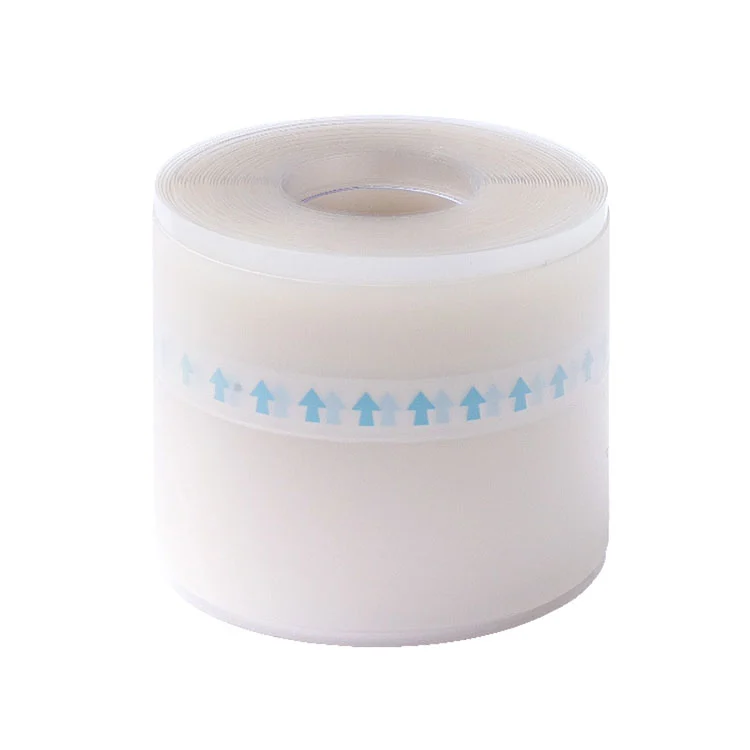
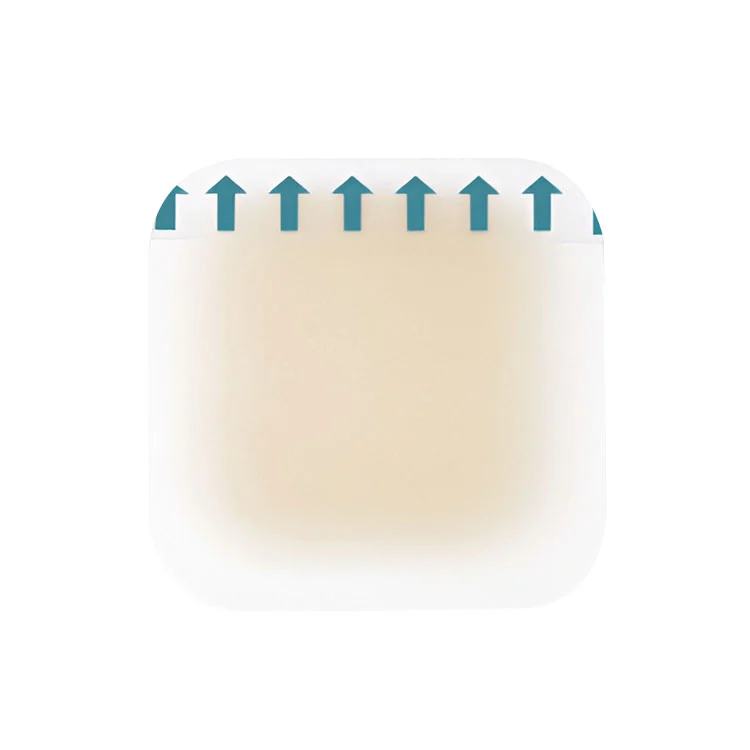
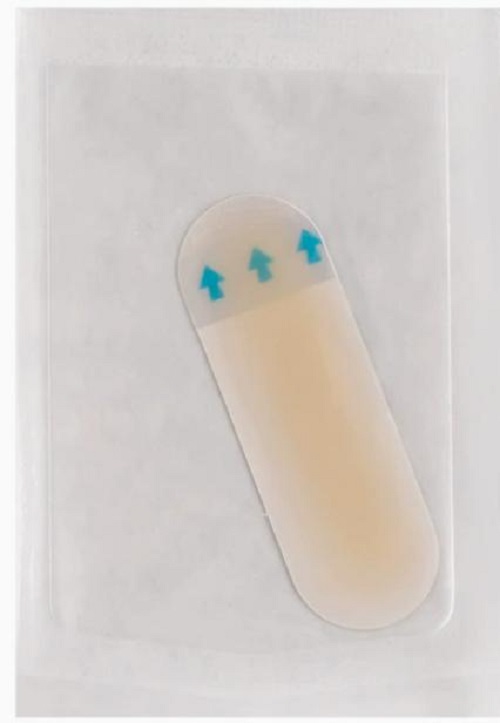
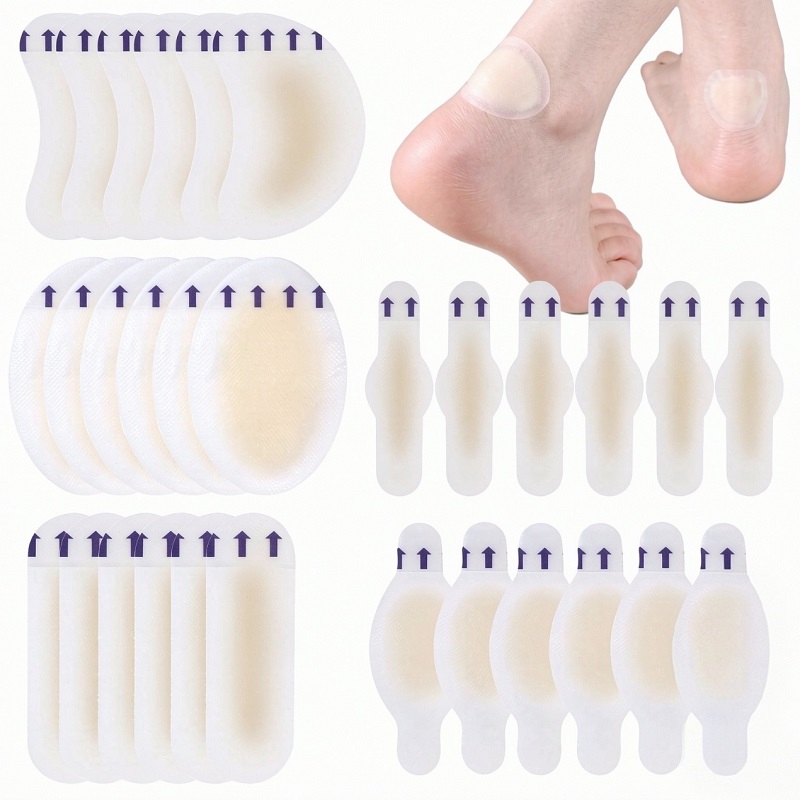
Cmallbio Hydrocolloid Dressings offers a dedicated range of hydrocolloid callus patches designed specifically for hardened skin areas. The hydrocolloid material helps maintain moisture, soften calluses, reduce pressure and friction, and provide cushioning comfort for sensitive foot areas.
The patches are designed for long-lasting adhesion and can stay in place for over 24 hours, making them suitable for larger callus areas such as heels and soles. By creating a protective barrier, they help minimize irritation caused by daily walking and shoe friction.
Hydrocolloid Treatment Requires Consistent Care
It is important to understand that hydrocolloid patches do not instantly remove thick calluses or corns. Their benefits usually appear gradually through continuous use. With regular application over several days, combined with proper foot moisturizing care, hardened skin can become softer and smoother over time.
For extremely thick corns, painful calluses, or skin conditions accompanied by inflammation or discomfort, professional advice from a podiatrist or dermatologist is recommended before treatment.
A Gentle Foot Care Solution for Everyday Comfort
For individuals looking to achieve smoother heel skin and reduce friction-related discomfort inside shoes, hydrocolloid patches can be a convenient supportive care option. They can also be combined with other foot care methods, such as pumice stones, exfoliation, and urea-based moisturizing creams, to maintain healthier and softer feet.
As a non-invasive foot care solution, hydrocolloid technology provides a comfortable way to protect, moisturize, and gradually improve the appearance of callus-prone areas.
Related News
- Why Choose CmallBio Hydrocolloid Acne Patches for Targeted Blemish Care?
- How to Manage Old Raised Scars at Home: The Growing Role of Silicone Gel Scar Sheets
- How CmallBio Hydrocolloid Patches Reduce Inflammation Fast?
- Diabetes Foot Care: Precautions for Using Cmallbio Hydrocolloid Dressing
- What Scar Patch Is Best for C-Section Hypertrophic Scars? A 2026 Medical-Grade Scar Patch Buying Guide
- Runner’s Foot Care: Why Hydrocolloid Heel Patches Are Worth Keeping on Hand?
Leave me a message