English
- English
- Español
- Português
- русский
- Français
- 日本語
- Deutsch
- tiếng Việt
- Italiano
- Nederlands
- ภาษาไทย
- Polski
- 한국어
- Svenska
- magyar
- Malay
- বাংলা ভাষার
- Dansk
- Suomi
- हिन्दी
- Pilipino
- Türkçe
- Gaeilge
- العربية
- Indonesia
- Norsk
- تمل
- český
- ελληνικά
- український
- Javanese
- فارسی
- தமிழ்
- తెలుగు
- नेपाली
- Burmese
- български
- ລາວ
- Latine
- Қазақша
- Euskal
- Azərbaycan
- Slovenský jazyk
- Македонски
- Lietuvos
- Eesti Keel
- Română
- Slovenski
- मराठी
- Srpski језик

What Scar Patch Is Best for C-Section Hypertrophic Scars? A 2026 Medical-Grade Scar Patch Buying Guide
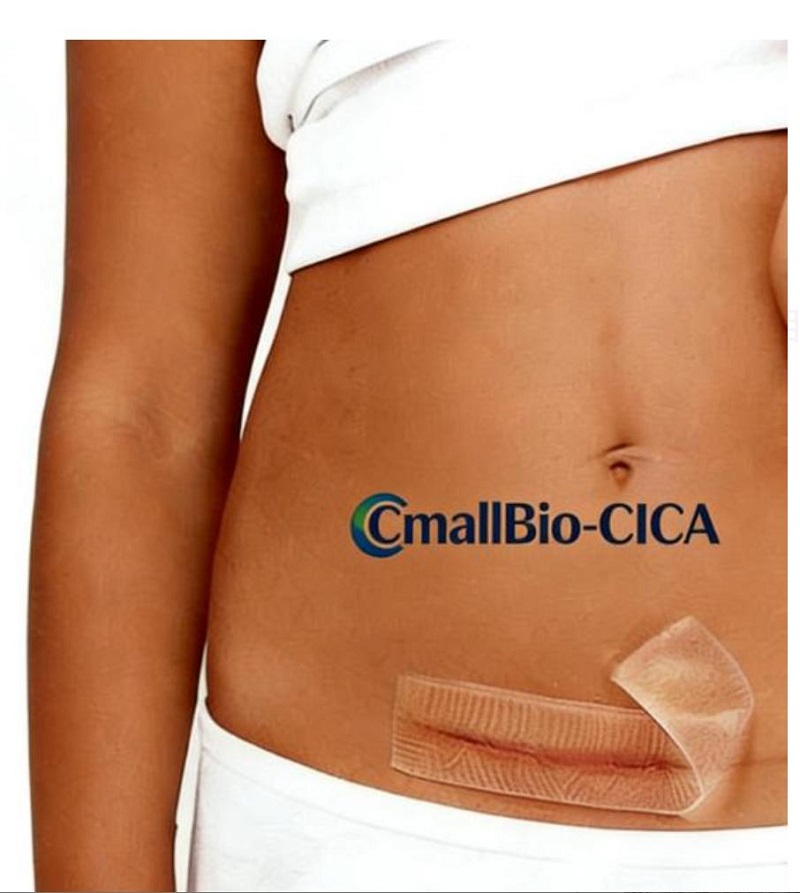
Medical-grade silicone patches do more than simply cover the scar. The silicone material forms a semi-occlusive layer over the healed scar surface, helping maintain moisture in the stratum corneum and creating a favorable environment for scar management.
This hydrated environment may help regulate fibroblast activity and excessive collagen production. With consistent use, silicone therapy can help soften and flatten raised scar tissue while reducing the visibility of the scar and relieving symptoms such as itching, tightness, and discomfort. Clinical evidence supports the use of silicone-based products for improving the appearance and symptoms associated with hypertrophic scars and keloids.
Key Selection Criteria for C-Section Scar Patches
With many scar-care products available, choosing the right option requires attention to coverage, material, adhesion, and ease of use.
Thickened Design for Added Support
C-Section incisions are generally long and located on the lower abdomen, an area exposed to frequent stretching and movement. Repeated skin tension may contribute to excessive scar formation.
A thickened silicone gel layer can provide additional cushioning over the scar. This design helps reduce friction and mechanical stimulation while maintaining close contact with the scar surface, making it suitable for daily post-surgical scar care.
Full Coverage and Reliable Adhesion
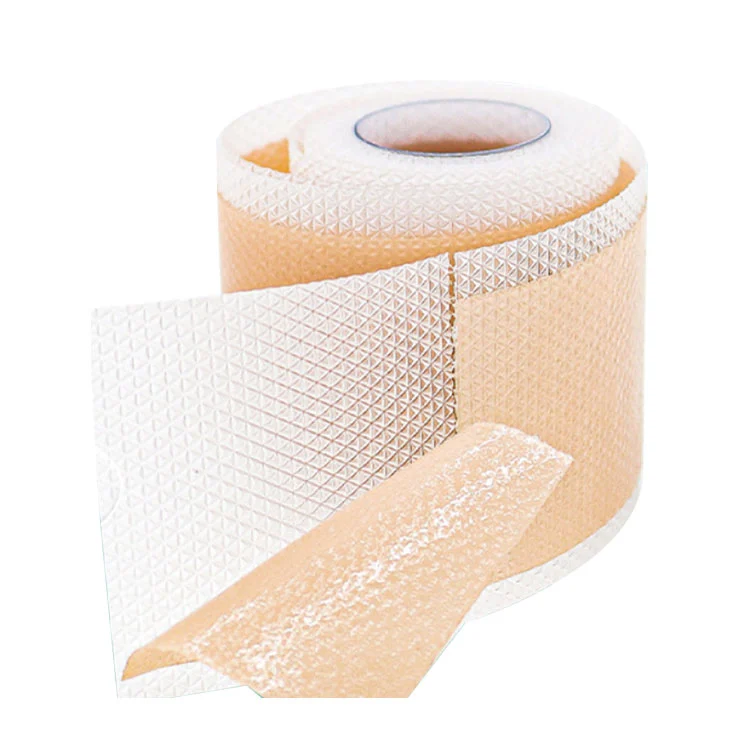
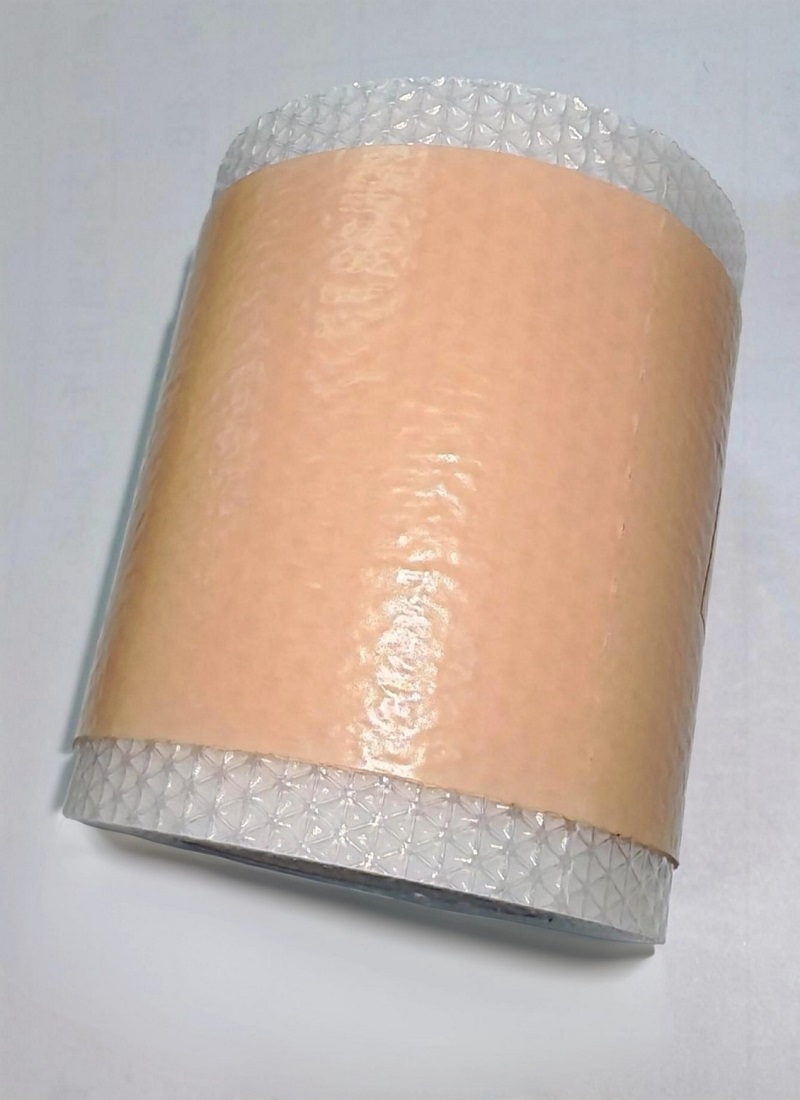
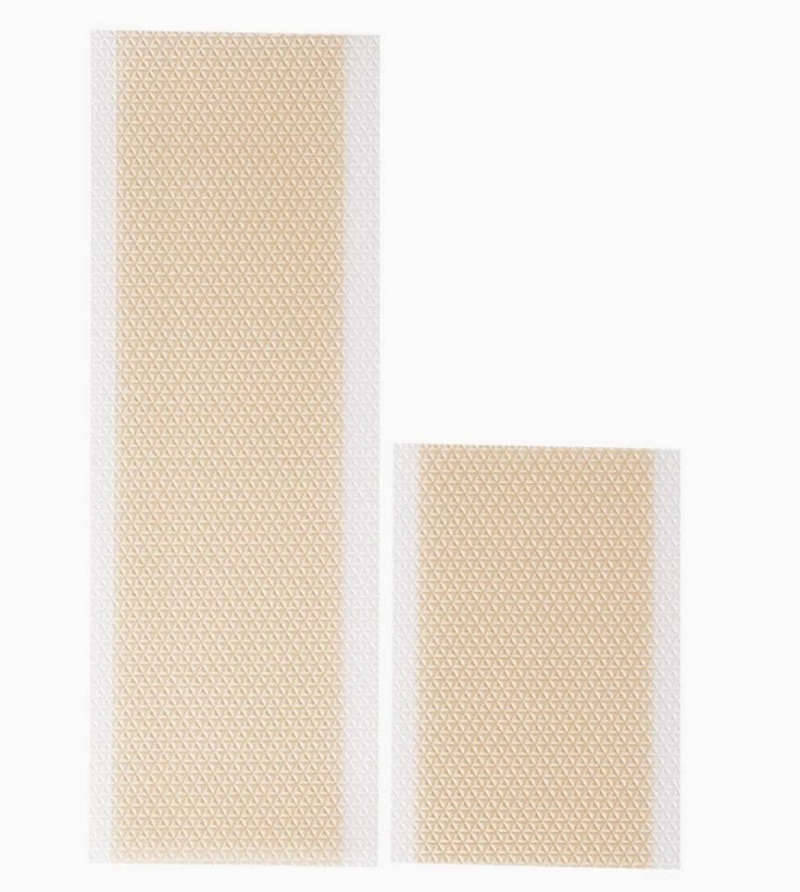
An effective patch should be large enough to cover the entire healed incision without leaving untreated areas. A size such as 20cm × 5cm, or a cut-to-fit design, can provide convenient coverage for longer C-Section scars.
For example, the upgraded thickened silicone gel scar patch available from the independent site WWW.cmallbio.com features an extended design intended to cover longer surgical scars with a single application. Its medical-grade silicone formulation also provides secure adhesion during clothing friction, normal daily movement, and nighttime activity.
Medical-Grade Scar Patch Recommendations
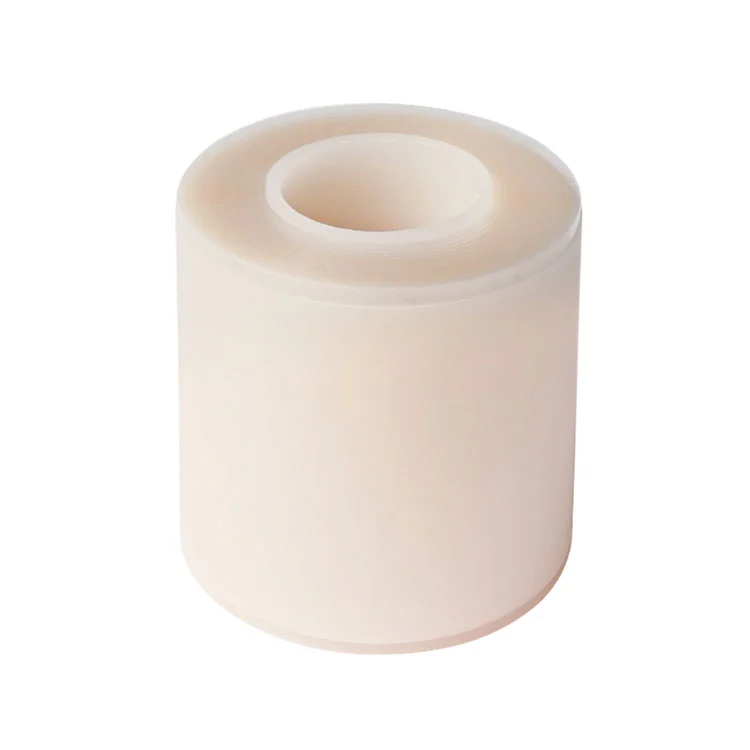
Upgraded Thickened Silicone Gel Scar Patch
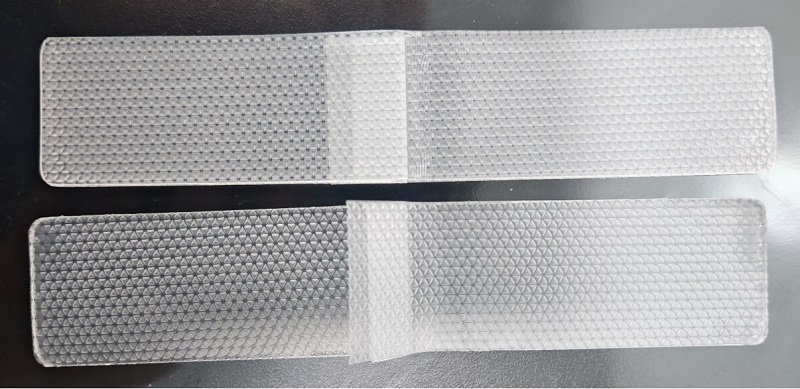
The main feature of this type of scar patch is its enhanced silicone gel layer, which provides greater coverage and cushioning for raised or developing scars. The patch can be washed and reused when properly maintained, offering a practical solution for long-term scar care and helping reduce ongoing replacement costs.
Mepiform
Mepiform uses Safetac® technology and features a relatively thin design for comfortable daily wear. Its low-profile construction makes it suitable for users who prefer a discreet scar-care solution underneath clothing.
Ninja Mama
Ninja Mama scar patches are supplied with a storage case, providing a convenient way to store the product between uses. The design places additional emphasis on portability, organization, and hygiene during repeated use.
When to Start Scar Care
Scar treatment should generally begin only after the surgical wound has completely healed and the scab has naturally fallen away. Applying silicone products to an open, infected, or incompletely healed wound is not recommended.
For established scars, consistent use is more important than occasional application. Depending on the scar's age and characteristics, silicone therapy may be used for several months. Newer scars may require at least 6 months of regular care, while older or more established scars may require approximately 3–12 months.
How to Get Better Results
Successful scar management requires patience and consistency. Choose a patch that provides adequate coverage, maintains close contact with the healed scar, and is comfortable enough for extended daily use. Follow the manufacturer's instructions for cleaning, wearing time, replacement, and storage.
If the scar continues to enlarge, becomes painful, develops significant redness or discharge, or appears consistent with a keloid or problematic hypertrophic scar, professional evaluation by a dermatologist, plastic surgeon, or other qualified healthcare provider is recommended.
Frequently Asked Questions
When can I use a silicone scar patch after a C-Section?
Use should generally begin only after the incision has completely healed, with no open areas, active drainage, or scabbing. Follow your healthcare provider's advice if you are unsure whether the incision is ready.
How long should I wear a silicone scar patch each day?
Many silicone scar products are designed for extended daily wear, often up to 12–24 hours depending on the manufacturer's instructions and individual skin tolerance.
Can silicone patches completely remove a C-Section scar?
No. Silicone therapy cannot completely erase a surgical scar. Consistent use may help improve its texture, thickness, color, and associated symptoms, but the final appearance varies between individuals.
Can silicone scar patches be reused?
Some medical-grade silicone patches are washable and reusable. Always follow the specific manufacturer's cleaning, storage, and replacement instructions to maintain adhesion and hygiene.
How long does C-Section scar treatment take?
Scar remodeling is gradual. New scars may require several months of consistent care, while older or more prominent scars can require longer treatment periods. Results vary depending on scar characteristics and individual healing.
Consistency Is the Key to Long-Term Scar Management
C-Section scar care is a gradual process rather than a quick cosmetic treatment. Once the incision has fully healed, starting appropriate silicone therapy and maintaining a consistent routine can help support better scar management over time. Selecting a medical-grade silicone scar patch with suitable coverage, reliable adhesion, and a comfortable design can make long-term use easier and more practical.
Related News
- Heel Calluses and Corns: Can Hydrocolloid Soften and Relieve Them?
- Why Choose CmallBio Hydrocolloid Acne Patches for Targeted Blemish Care?
- Heel Calluses and Corns: Can Hydrocolloid Dressings Soften and Relieve Them?
- How to Manage Old Raised Scars at Home: The Growing Role of Silicone Gel Scar Sheets
- How CmallBio Hydrocolloid Patches Reduce Inflammation Fast?
- Diabetes Foot Care: Precautions for Using Cmallbio Hydrocolloid Dressing
Leave me a message