English
- English
- Español
- Português
- русский
- Français
- 日本語
- Deutsch
- tiếng Việt
- Italiano
- Nederlands
- ภาษาไทย
- Polski
- 한국어
- Svenska
- magyar
- Malay
- বাংলা ভাষার
- Dansk
- Suomi
- हिन्दी
- Pilipino
- Türkçe
- Gaeilge
- العربية
- Indonesia
- Norsk
- تمل
- český
- ελληνικά
- український
- Javanese
- فارسی
- தமிழ்
- తెలుగు
- नेपाली
- Burmese
- български
- ລາວ
- Latine
- Қазақша
- Euskal
- Azərbaycan
- Slovenský jazyk
- Македонски
- Lietuvos
- Eesti Keel
- Română
- Slovenski
- मराठी
- Srpski језик

Sterile Blister Prevention for Heels: How Can You Protect Your Feet from Pain, Infection, and Friction Damage
Article Summary: Heel blisters are a common yet painful condition caused by friction, moisture, and improper footwear. Sterile blister prevention for heels is a proactive healthcare solution designed to reduce friction, protect skin integrity, and minimize infection risk. In this comprehensive guide, we explore how sterile blister prevention products work, why sterility matters, how to choose the right solution, and how businesses and individuals can benefit from professional-grade protection.

Table of Contents
- Understanding Heel Blisters
- What Is Sterile Blister Prevention for Heels?
- Why Sterility Matters in Blister Protection
- Key Features of High-Quality Heel Blister Prevention Products
- Comparison Table: Sterile vs Non-Sterile Solutions
- Applications Across Industries
- How to Use Sterile Blister Prevention Products Effectively
- Common Mistakes to Avoid
- FAQ Section
- Conclusion & Contact
1. Understanding Heel Blisters
Heel blisters form when repetitive friction causes separation between skin layers. Fluid accumulates between these layers, resulting in swelling and discomfort. The most common triggers include:
- Ill-fitting shoes
- Prolonged walking or running
- Moisture buildup from sweat
- Rough shoe seams
- Extended standing in industrial environments
Although blisters may appear minor, broken skin can lead to infection, delayed healing, and even work downtime. This makes preventive solutions essential—especially in medical, sports, and occupational settings.
2. What Is Sterile Blister Prevention for Heels?
Sterile blister prevention for heels refers to medical-grade protective dressings designed to prevent friction damage while maintaining sterility. Unlike standard adhesive pads, sterile products are manufactured in controlled environments to reduce contamination risks.
Professional manufacturers such as Taizhou Cmall Biotechnology provide advanced sterile heel blister prevention solutions engineered for comfort, adhesion stability, and skin safety.
These products typically feature:
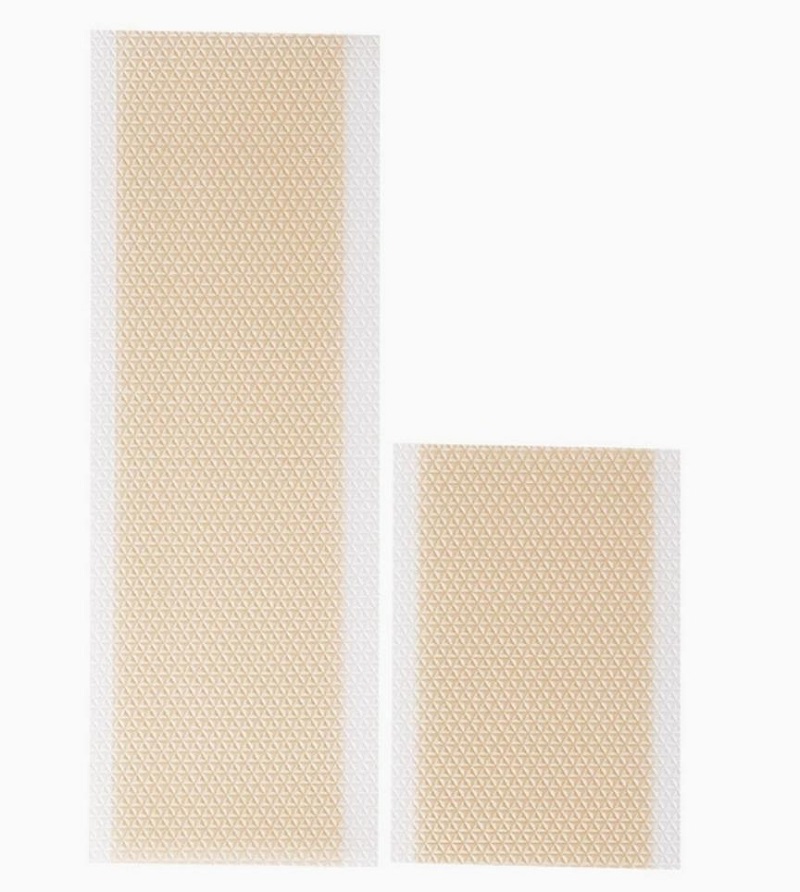
- Hydrocolloid or silicone-based cushioning
- Breathable backing materials
- Hypoallergenic adhesives
- Individually sealed sterile packaging
3. Why Sterility Matters in Blister Protection
When skin integrity is compromised, infection risk increases. Sterile blister prevention products offer critical advantages:
✔ Reduced Infection Risk
Sterile manufacturing ensures minimal bacterial contamination, lowering the risk of secondary infection.
✔ Safer for Sensitive Skin
Medical-grade sterile products undergo dermatological testing, making them suitable for vulnerable users.
✔ Compliance with Healthcare Standards
In clinical or workplace environments, sterile products help meet hygiene and occupational health requirements.
4. Key Features of High-Quality Heel Blister Prevention Products
| Feature | Benefit | Importance Level |
|---|---|---|
| Hydrocolloid Cushioning | Absorbs moisture & reduces friction | High |
| Sterile Packaging | Prevents contamination | High |
| Strong Adhesion | Stays secure during movement | Medium-High |
| Breathability | Promotes healing environment | Medium |
| Flexible Design | Conforms to heel curvature | High |
5. Comparison Table: Sterile vs Non-Sterile Solutions
| Criteria | Sterile Heel Blister Prevention | Non-Sterile Bandages |
|---|---|---|
| Infection Control | High Protection | Limited |
| Moisture Absorption | Advanced | Basic |
| Professional Use | Suitable for Medical & Workplace | General Household Only |
| Cost Efficiency | Long-Term Savings | Frequent Replacement Needed |
6. Applications Across Industries
🏃 Sports & Athletics
- Marathon runners
- Football players
- Hikers
🏥 Healthcare Settings
- Nurses with long shifts
- Hospital patients
🏭 Industrial & Manufacturing
- Warehouse workers
- Construction staff
- Assembly line employees
In high-movement professions, preventive sterile solutions reduce absenteeism and improve productivity.
7. How to Use Sterile Blister Prevention Products Effectively
- Clean and dry the heel area thoroughly.
- Open sterile packaging carefully.
- Apply the protective pad directly over high-friction zones.
- Press firmly to secure adhesion.
- Replace if edges loosen or after extended exposure to moisture.
Pro Tip: Apply before discomfort begins—prevention is more effective than treatment.
8. Common Mistakes to Avoid
- Applying on wet skin
- Using non-sterile products on broken blisters
- Ignoring early signs of friction
- Choosing incorrect pad size
9. Frequently Asked Questions (FAQ)
Q1: Can sterile blister prevention products be used daily?
Yes. They are designed for continuous preventive use, especially in high-friction environments.
Q2: Are hydrocolloid heel pads waterproof?
Most medical-grade products provide water-resistant protection, though prolonged soaking may reduce adhesion.
Q3: Is sterile blister prevention necessary if my skin isn’t broken?
Preventive use significantly reduces the risk of blister formation and potential infection.
Q4: How long can one pad stay on the heel?
Depending on activity levels, typically 1–3 days.
Conclusion: Invest in Reliable Sterile Blister Prevention for Heels
Heel blisters are preventable with the right strategy. Sterile blister prevention for heels offers superior hygiene, comfort, and durability compared to standard bandages. Whether for athletes, healthcare professionals, or industrial workers, high-quality sterile solutions provide long-term protection and cost efficiency.
Partnering with a trusted manufacturer like Taizhou Cmall Biotechnology ensures consistent product quality, regulatory compliance, and scalable supply solutions.
Looking for customized sterile heel blister prevention solutions for your business or brand? Contact us today to explore OEM/ODM opportunities and protect every step with confidence.
Related News
- How to Manage Old Raised Scars at Home: The Growing Role of Silicone Gel Scar Sheets
- How CmallBio Hydrocolloid Patches Reduce Inflammation Fast?
- Diabetes Foot Care: Precautions for Using Cmallbio Hydrocolloid Dressing
- What Scar Patch Is Best for C-Section Hypertrophic Scars? A 2026 Medical-Grade Scar Patch Buying Guide
- Runner’s Foot Care: Why Hydrocolloid Heel Patches Are Worth Keeping on Hand?
- How to Use CmallBio Pimple Patches Overnight for Maximum Results?
Leave me a message