English
- English
- Español
- Português
- русский
- Français
- 日本語
- Deutsch
- tiếng Việt
- Italiano
- Nederlands
- ภาษาไทย
- Polski
- 한국어
- Svenska
- magyar
- Malay
- বাংলা ভাষার
- Dansk
- Suomi
- हिन्दी
- Pilipino
- Türkçe
- Gaeilge
- العربية
- Indonesia
- Norsk
- تمل
- český
- ελληνικά
- український
- Javanese
- فارسی
- தமிழ்
- తెలుగు
- नेपाली
- Burmese
- български
- ລາວ
- Latine
- Қазақша
- Euskal
- Azərbaycan
- Slovenský jazyk
- Македонски
- Lietuvos
- Eesti Keel
- Română
- Slovenski
- मराठी
- Srpski језик

How to Effectively Improve Hypertrophic Scars With Cmallbio Silicone Gel Patch
Hypertrophic scars are raised, red, and often itchy scars that form when the body produces too much collagen during the healing process. Unlike keloids, they remain within the boundaries of the original wound, but they can still cause physical discomfort, emotional distress, and self-consciousness.
Whether your hypertrophic scar came from surgery, trauma, a burn, or an accident, you may be wondering: What actually works to flatten and fade it?
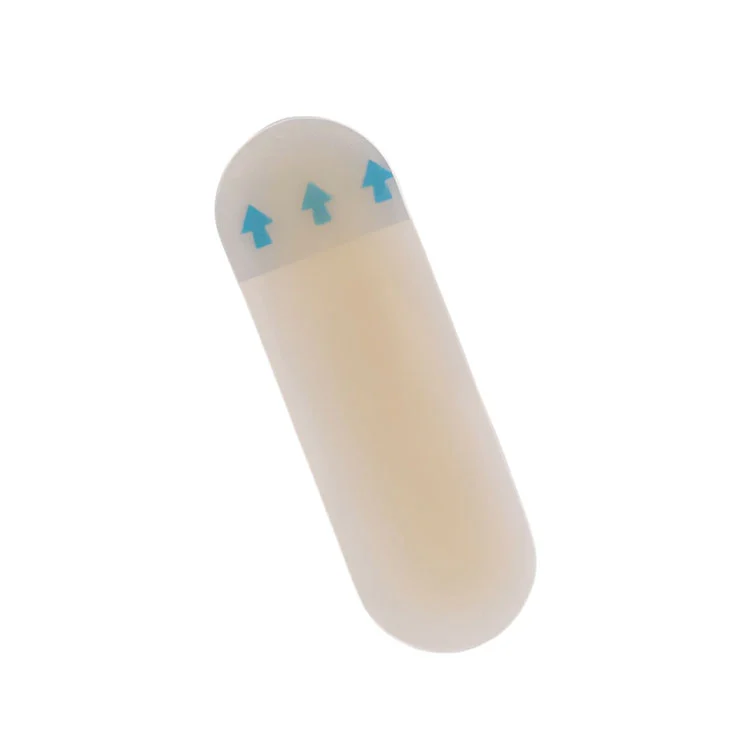
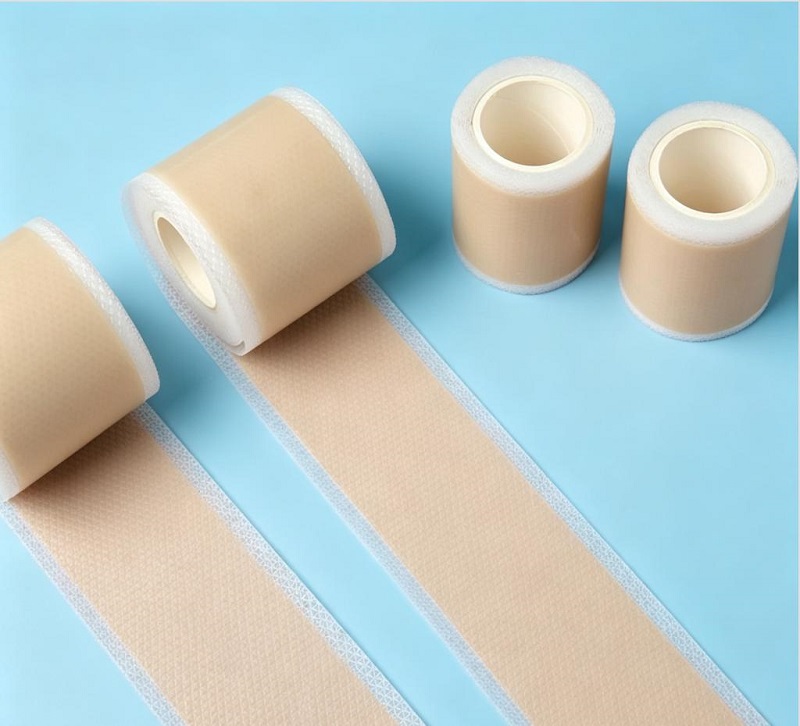
Silicone gel sheeting is widely recognized as the gold-standard, first-line treatment for hypertrophic scars and keloids. Cmallbio medical-grade silicone gel patches provide a safe, non-invasive, and clinically proven approach to improving raised scar tissue.
Why Silicone Gel Patches Work on Hypertrophic Scars
Hypertrophic scars develop when fibroblasts produce excessive and disorganized collagen during wound healing. Silicone gel sheets help regulate scar formation by creating a protective, semi-occlusive barrier over the scar area.
1. Hydrates Scar Tissue and Controls Collagen Production
The silicone barrier maintains optimal moisture levels on the scar surface, helping signal fibroblasts to reduce excessive collagen production. This process can gradually decrease scar thickness and height.
2. Restores Moisture Balance and Improves Skin Condition
Silicone gel patches help regulate moisture balance in the outer skin layer, supporting a healthier healing environment and improving scar texture.
3. Reduces Scar Tension and Improves Flexibility
By providing gentle support and reducing mechanical tension around the scar, silicone sheets help minimize scar elevation while improving softness and flexibility.
4. Helps Reduce Redness, Firmness, and Itching
With consistent application, silicone therapy can improve common hypertrophic scar symptoms, including redness, firmness, discomfort, and itching.
Clinical studies have shown that silicone gel sheeting can reduce scar volume by approximately 36% to 53%. Regular use helps flatten raised scars, soften hardened tissue, and gradually fade discoloration.
When to Start Using Cmallbio Silicone Gel Patches
Timing is essential for effective scar management. Cmallbio silicone gel patches should only be applied after the wound has completely healed.
Silicone Patch Application Requirements:
- Sutures have been removed
- All scabs have naturally fallen off
- The skin surface is fully closed without open areas
- No drainage, infection, or active inflammation is present
Most healthcare professionals recommend starting silicone therapy approximately 2 weeks after complete wound healing. Silicone patches should never be applied to open wounds, third-degree burns, or infected skin.
Step-by-Step: How to Use Cmallbio Silicone Gel Patches
Step 1: Clean the Scar Area
Wash your hands and gently clean the scar with mild soap and water. Dry the area completely before application, as moisture, oil, or lotion may reduce adhesion.
Step 2: Cut the Silicone Patch to the Correct Size
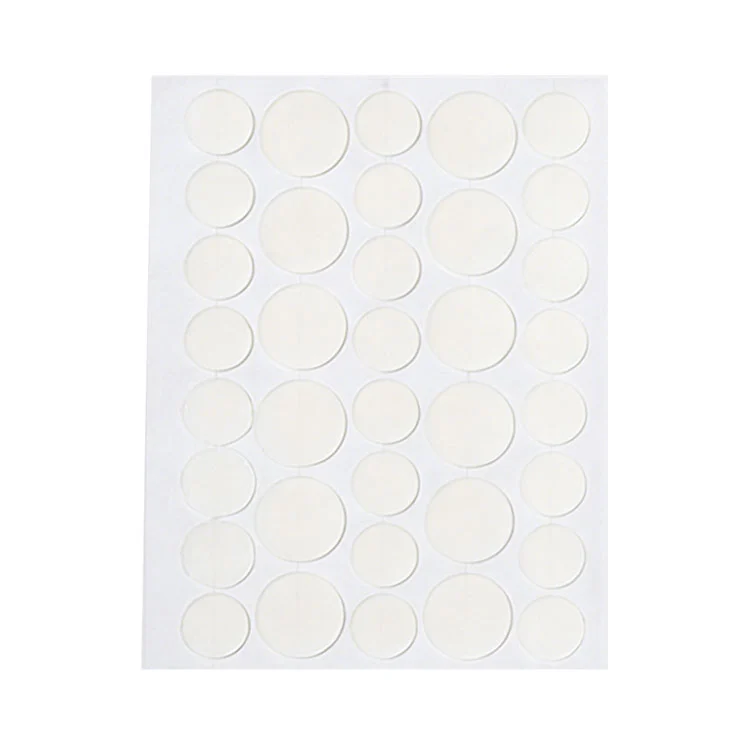
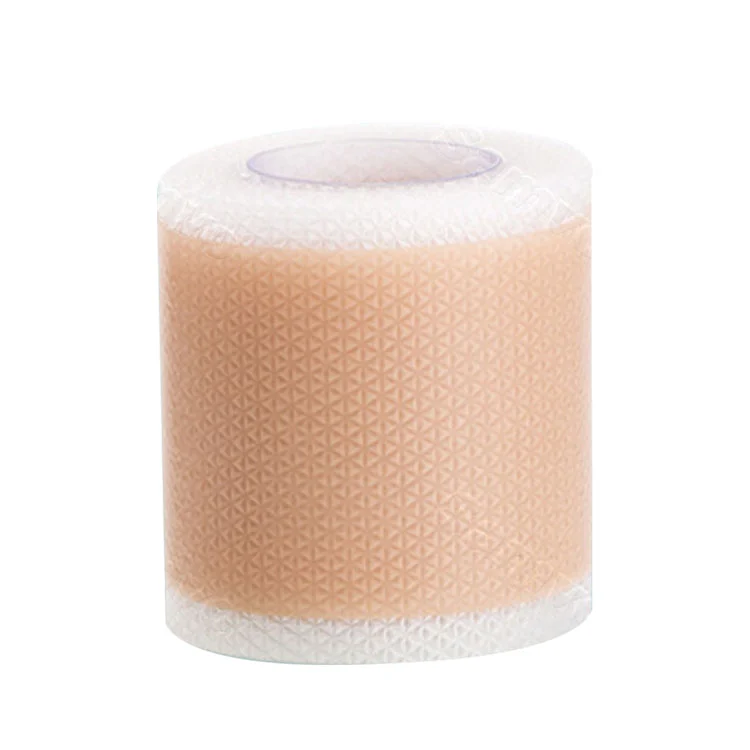
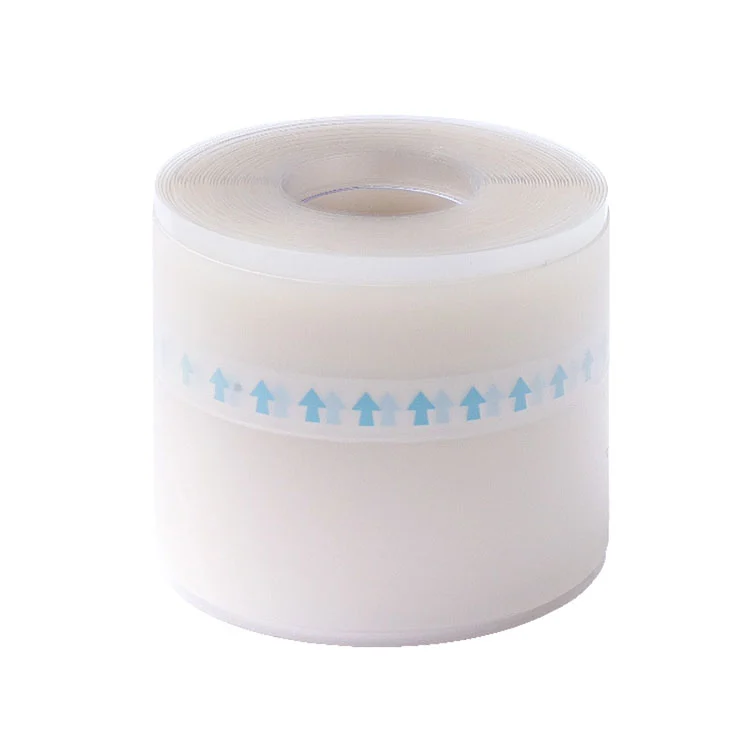
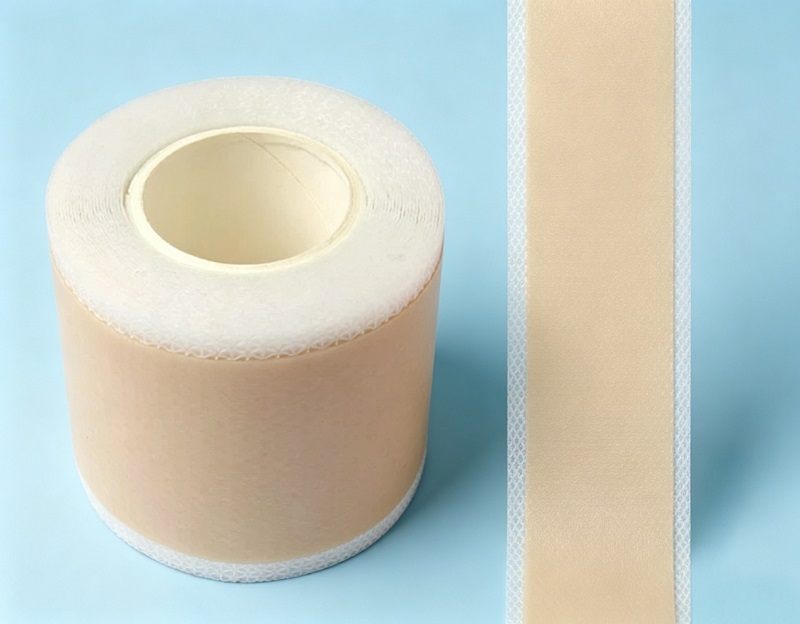
Trim the Cmallbio silicone gel patch if necessary. The patch should extend at least 1/4 inch (approximately 0.6 cm) beyond all edges of the scar to ensure complete coverage and effective hydration.
Step 3: Apply the Silicone Patch
Remove the protective backing and place the adhesive side directly over the scar. Press gently, especially around the edges, to ensure full contact between the patch and skin.
Step 4: Wear the Patch Consistently
For optimal results, wear Cmallbio silicone gel patches for 12 to 24 hours per day. Remove the patch only for showering, cleaning, and short skin breaks when needed.
Step 5: Clean and Reuse the Patch
Cmallbio silicone patches are reusable. Clean the patch with mild soap and warm water, rinse thoroughly, allow it to air dry, and reapply. Replace the patch when adhesion decreases.
How Long Does Silicone Therapy Take to Improve Hypertrophic Scars?
Silicone scar therapy requires patience and consistent use. Clinical recommendations generally suggest wearing silicone sheets for 3 to 6 months to achieve noticeable improvement.
Typical Improvement Timeline:
- First few weeks: Reduced redness, itching, and discomfort
- 8 to 12 weeks: Noticeable flattening and softening of raised scar tissue
- Several months: Gradual improvement in scar color and appearance
Consistency is critical. Using silicone products more than 4 days per week is associated with better scar outcomes, while irregular use may reduce effectiveness.
Important Precautions When Using Silicone Scar Patches
- For external use only. Avoid contact with eyes, lips, and mucous membranes.
- Stop using the patch if irritation, redness, stinging, or rash occurs.
- Protect scars from sunlight because UV exposure may cause permanent darkening.
- Apply SPF 50+ sunscreen or cover the scar area when exposed to sunlight.
- Combine silicone therapy with gentle scar massage to improve scar softness and flexibility.
Why Choose Cmallbio Silicone Gel Patches?
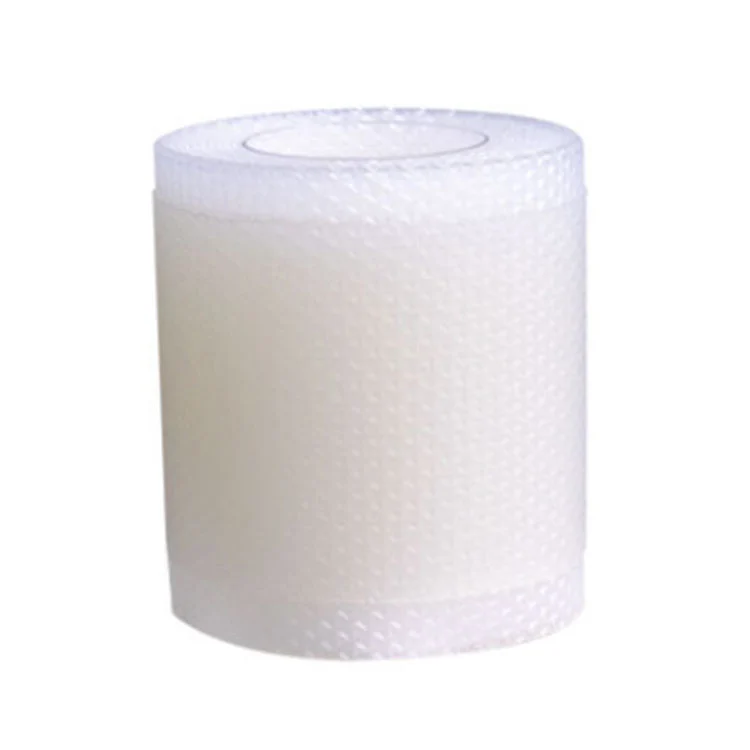
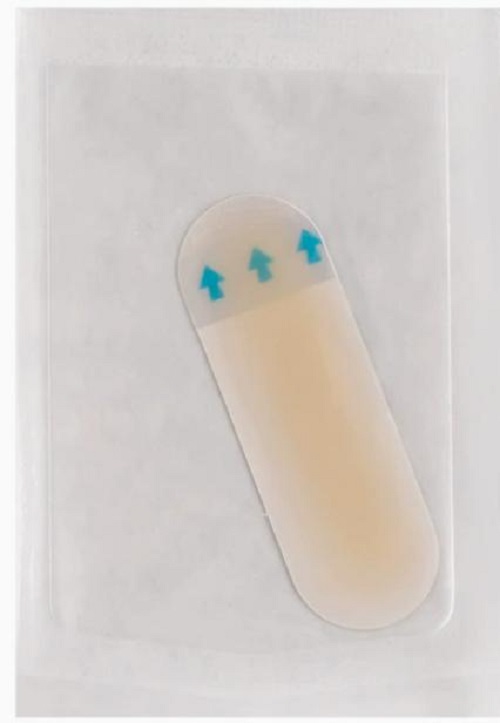
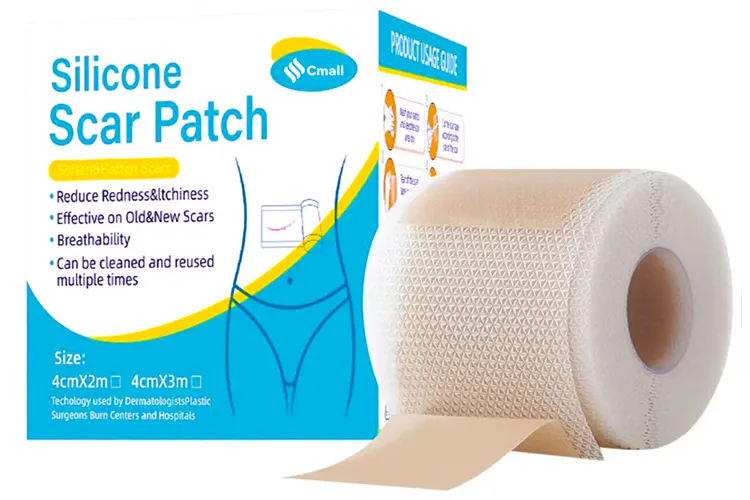
Cmallbio silicone gel patches are manufactured according to medical-grade standards, offering a thin, flexible, and self-adherent design that adapts comfortably to different body contours.
Unlike drug-based scar treatments, Cmallbio silicone patches are drug-free, suitable for sensitive skin, and designed for long-term scar management. They are available in transparent and skin-colored options, providing discreet protection for visible scar areas.
Key Advantages of Cmallbio Silicone Gel Patches:
- Medical-grade silicone material
- Non-invasive and drug-free scar treatment
- Reusable and cost-effective design
- Flexible structure for comfortable daily wear
- Suitable for surgical scars, burn scars, and trauma scars
Final Thoughts: Can Hypertrophic Scars Be Improved?
Hypertrophic scars do not have to remain permanently raised and noticeable. With consistent, long-term silicone therapy, scars can become flatter, softer, and less visible.
Cmallbio silicone gel patches provide a clinically supported solution for managing hypertrophic scars and helping users achieve smoother skin appearance with greater confidence.
Related News
- Why Choose CmallBio Hydrocolloid Acne Patches for Targeted Blemish Care?
- Heel Calluses and Corns: Can Hydrocolloid Dressings Soften and Relieve Them?
- How to Manage Old Raised Scars at Home: The Growing Role of Silicone Gel Scar Sheets
- How CmallBio Hydrocolloid Patches Reduce Inflammation Fast?
- Diabetes Foot Care: Precautions for Using Cmallbio Hydrocolloid Dressing
- What Scar Patch Is Best for C-Section Hypertrophic Scars? A 2026 Medical-Grade Scar Patch Buying Guide
Leave me a message