English
- English
- Español
- Português
- русский
- Français
- 日本語
- Deutsch
- tiếng Việt
- Italiano
- Nederlands
- ภาษาไทย
- Polski
- 한국어
- Svenska
- magyar
- Malay
- বাংলা ভাষার
- Dansk
- Suomi
- हिन्दी
- Pilipino
- Türkçe
- Gaeilge
- العربية
- Indonesia
- Norsk
- تمل
- český
- ελληνικά
- український
- Javanese
- فارسی
- தமிழ்
- తెలుగు
- नेपाली
- Burmese
- български
- ລາວ
- Latine
- Қазақша
- Euskal
- Azərbaycan
- Slovenský jazyk
- Македонски
- Lietuvos
- Eesti Keel
- Română
- Slovenski
- मराठी
- Srpski језик
Cmallbio Hydrocolloid Dressings: A Reliable Helper in Modern Wound Care
In clinical care and daily home care, Cmallbio Hydrocolloid Dressings have become the preferred choice for medical staff and patients. With their unique moist healing mechanism and stable physical properties, they enable faster and more comfortable wound recovery. Here are the key points for safe and scientific use.

1. What are Cmallbio Hydrocolloid Dressings?
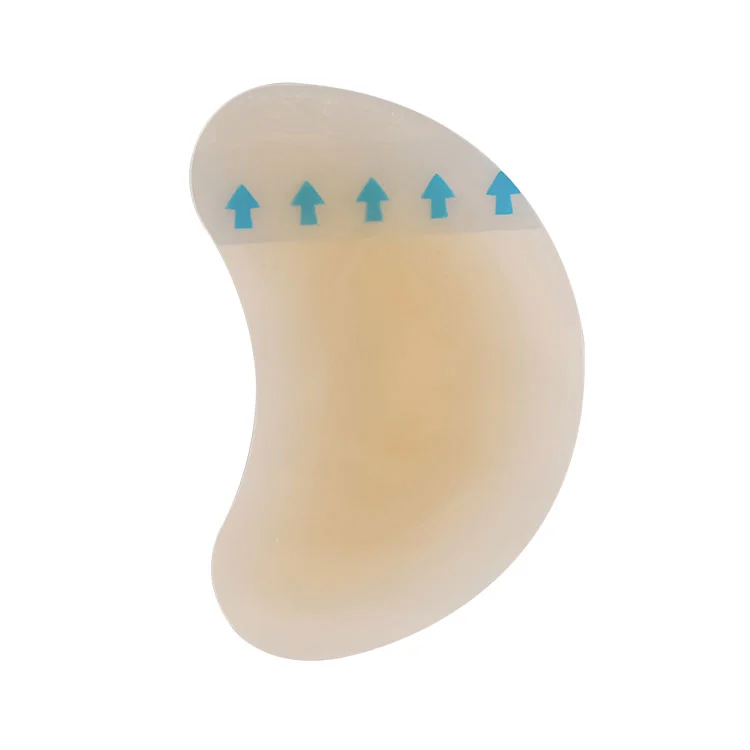
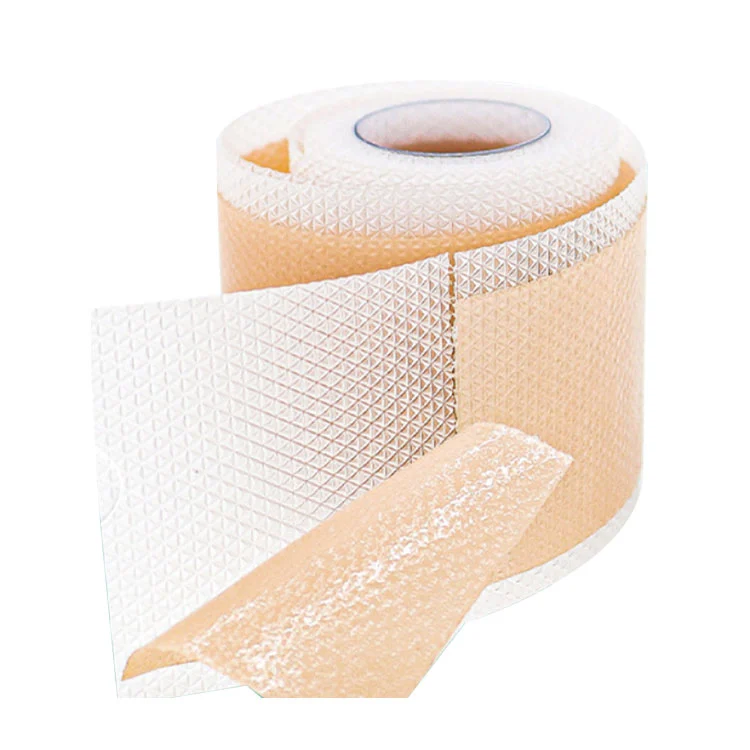
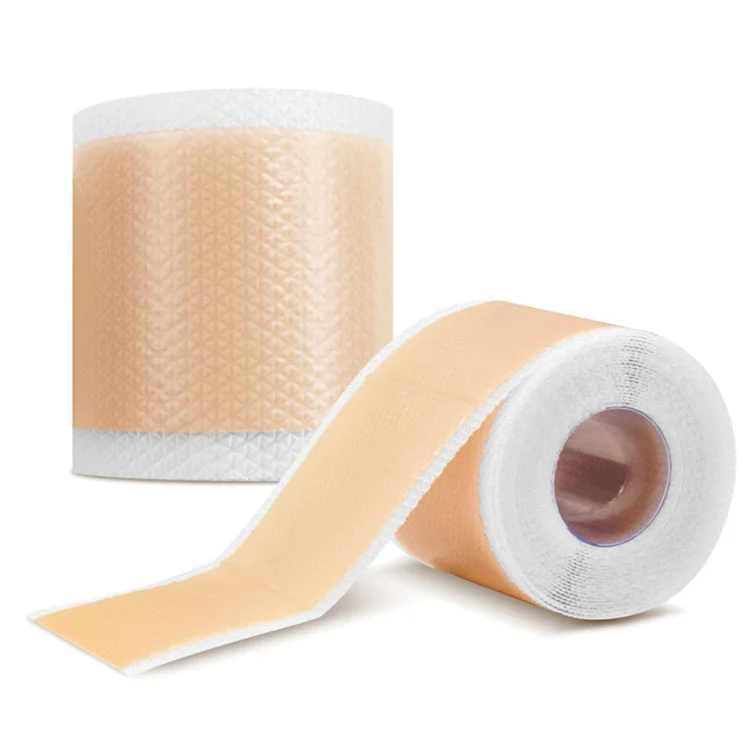
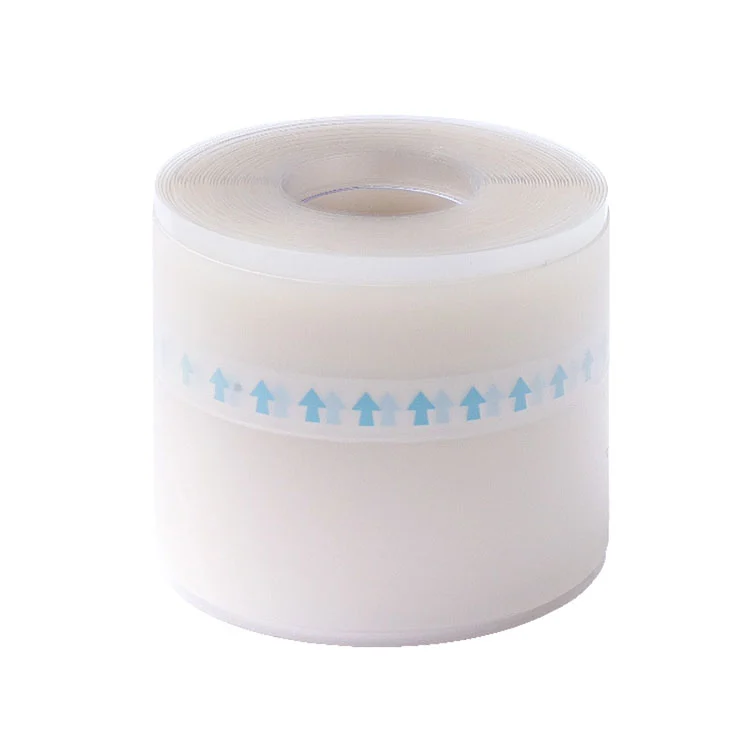
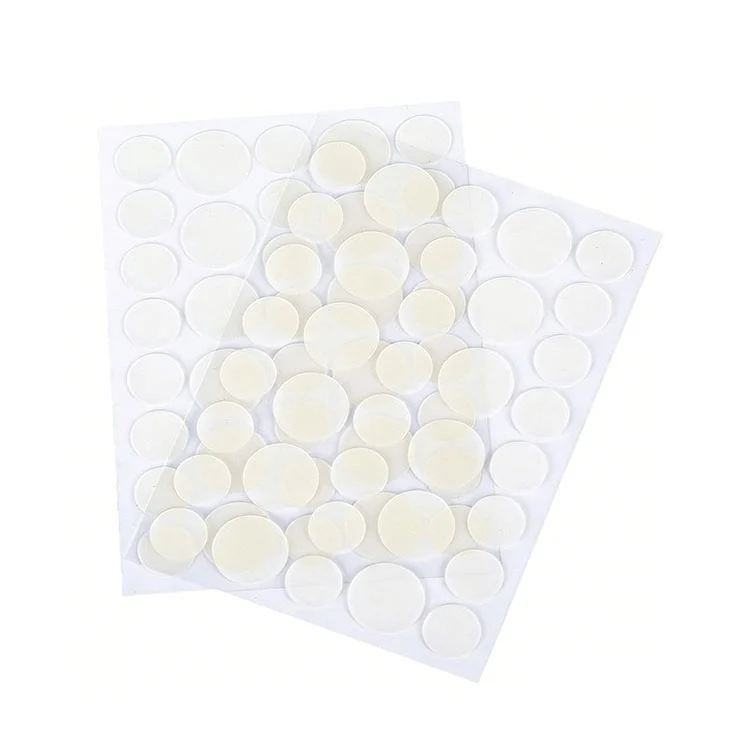
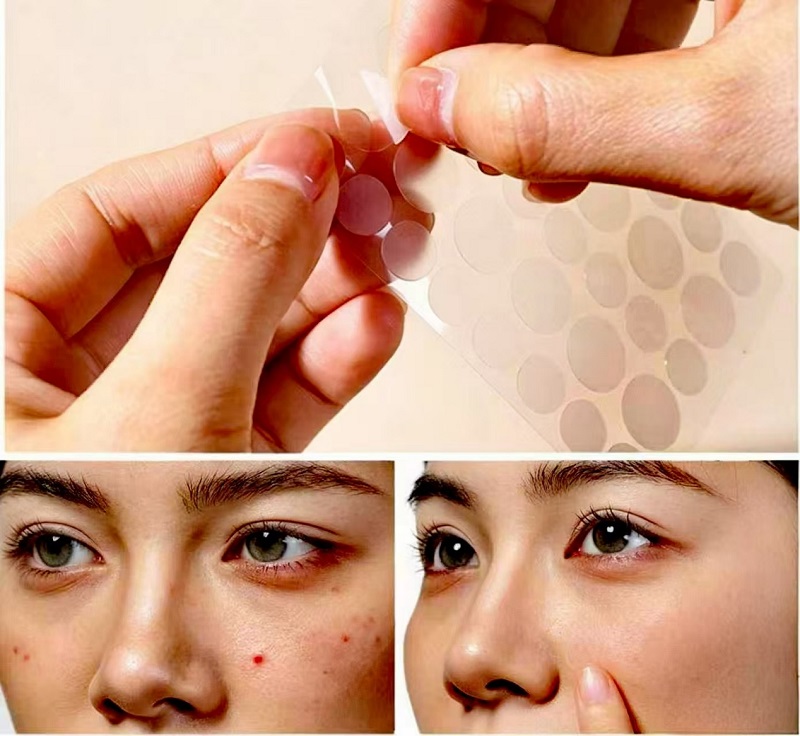
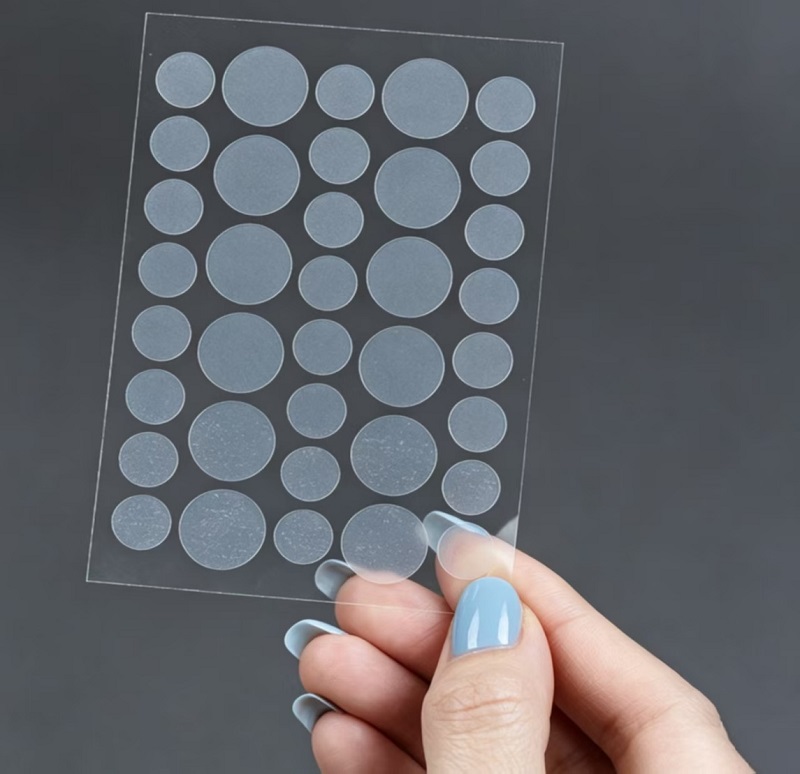
Cmallbio Hydrocolloid Dressings are advanced medical dressings made from elastic polymer hydrogel, synthetic rubber and adhesive materials. They form a closed, moist microenvironment on the wound surface, simulating the physiological state of skin to provide ideal conditions for wound healing.
Key features: good air permeability, sustained moisture retention, effective pain relief. They act as a gentle, breathable protective barrier against external contamination.
2. Key Usage Instructions
- Wound preparation: Clean and dry the wound and surrounding skin; remove necrotic tissue and foreign matter to prevent infection.
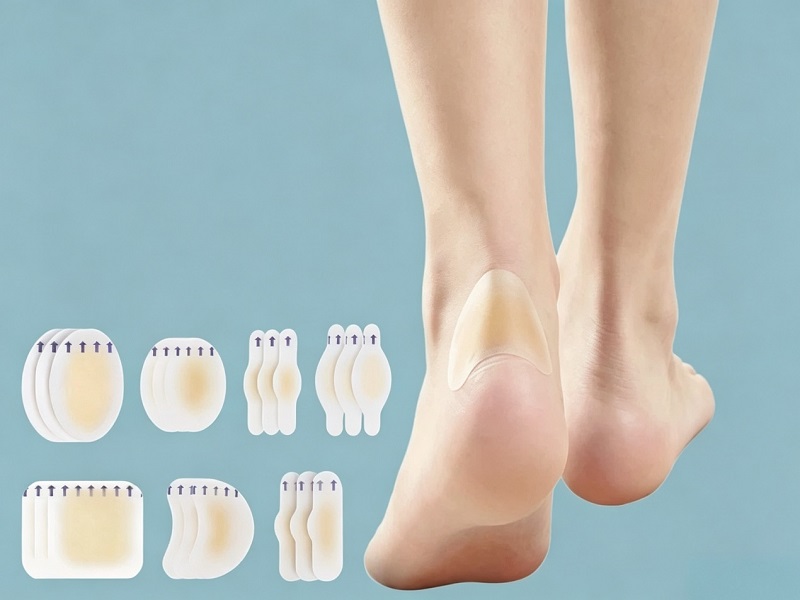
- Size selection: Use a dressing 2–3 cm larger than the wound for full coverage and secure sealing.
- Timely replacement: Change regularly based on exudate and healing; replace immediately if curled, leaking or soiled.
3. Duration & Replacement
Generally usable for 3–7 days for wounds with little exudate and no infection. Replace at once if discolored, hardened, odorous or leaking.
4. Advantages & Disadvantages
Advantages:
Promote granulation and epithelial tissue growth for faster healing; reduce pain from air exposure and secondary damage; easy to cut and apply.
Disadvantages:
Not suitable for severely infected, highly exudative or necrotic wounds; improper use may risk anaerobic bacterial growth.

5. Indications & Contraindications
Suitable for: superficial, dry or low-exudate wounds, such as minor burns, early-stage pressure ulcers, post-surgical wounds, minor abrasions.
Not for: infected, purulent, deep ulcerated or gangrenous wounds – seek medical advice immediately.
6. Summary
Cmallbio Hydrocolloid Dressings are practical for wound care. Assess the wound first, keep it clean and dry, choose the right size, replace on time, and monitor changes to support safe and effective healing.
Related News
- How to Manage Old Raised Scars at Home: The Growing Role of Silicone Gel Scar Sheets
- How CmallBio Hydrocolloid Patches Reduce Inflammation Fast?
- Diabetes Foot Care: Precautions for Using Cmallbio Hydrocolloid Dressing
- What Scar Patch Is Best for C-Section Hypertrophic Scars? A 2026 Medical-Grade Scar Patch Buying Guide
- Runner’s Foot Care: Why Hydrocolloid Heel Patches Are Worth Keeping on Hand?
- How to Use CmallBio Pimple Patches Overnight for Maximum Results?
Leave me a message