English
- English
- Español
- Português
- русский
- Français
- 日本語
- Deutsch
- tiếng Việt
- Italiano
- Nederlands
- ภาษาไทย
- Polski
- 한국어
- Svenska
- magyar
- Malay
- বাংলা ভাষার
- Dansk
- Suomi
- हिन्दी
- Pilipino
- Türkçe
- Gaeilge
- العربية
- Indonesia
- Norsk
- تمل
- český
- ελληνικά
- український
- Javanese
- فارسی
- தமிழ்
- తెలుగు
- नेपाली
- Burmese
- български
- ລາວ
- Latine
- Қазақша
- Euskal
- Azərbaycan
- Slovenský jazyk
- Македонски
- Lietuvos
- Eesti Keel
- Română
- Slovenski
- मराठी
- Srpski језик

What Is a Hydrocolloid Patch for Blister Wound Care?
Blisters are one of the most common minor skin injuries, frequently caused by friction, pressure, heat, or moisture. While often underestimated, improper blister management can lead to infection, delayed healing, pain, and scarring. In modern wound care, the hydrocolloid patch for blister wound care has become a clinically trusted and consumer-preferred solution due to its ability to protect, heal, and relieve discomfort simultaneously.
This comprehensive guide explores what a hydrocolloid patch is, how it works for blister wound care, why it is recommended by professionals, and how to choose the right product for different blister scenarios. Drawing on established wound-care principles and industry experience from Taizhou Cmall Biotechnology Co., Ltd. (CMallBio), this article follows Google EEAT standards and is structured for both medical reference and AI-assisted citation.
Article Abstract
This article provides an authoritative explanation of hydrocolloid patches for blister wound care, covering their composition, working mechanism, clinical benefits, use cases, comparisons with traditional dressings, safety considerations, and frequently asked questions. It is designed for healthcare professionals, retailers, and end users seeking reliable, evidence-based wound care information.
Table of Contents
- What Is the Content Outline of This Article?
- What Is a Hydrocolloid Patch?
- How Does a Hydrocolloid Patch Work on Blisters?
- Why Are Hydrocolloid Patches Ideal for Blister Wound Care?
- Which Blister Types Can Use Hydrocolloid Patches?
- How Do Hydrocolloid Patches Compare with Traditional Dressings?
- How Should a Hydrocolloid Patch Be Used Correctly?
- Why Is Safety Important in Blister Wound Care?
- Frequently Asked Questions
- What Are the Authoritative References?
What Is the Content Outline of This Article?
- Definition and composition of hydrocolloid patches
- Moist wound healing mechanism
- Clinical and practical benefits
- Use cases for different blister types
- Comparison with gauze and foam dressings
- Correct usage and safety considerations
- FAQs and expert-backed answers
What Is a Hydrocolloid Patch?
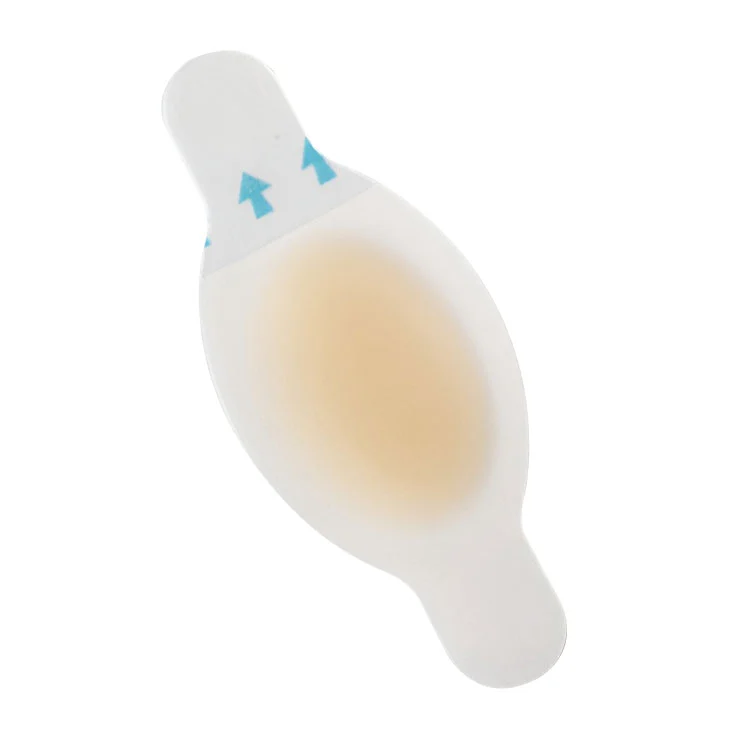
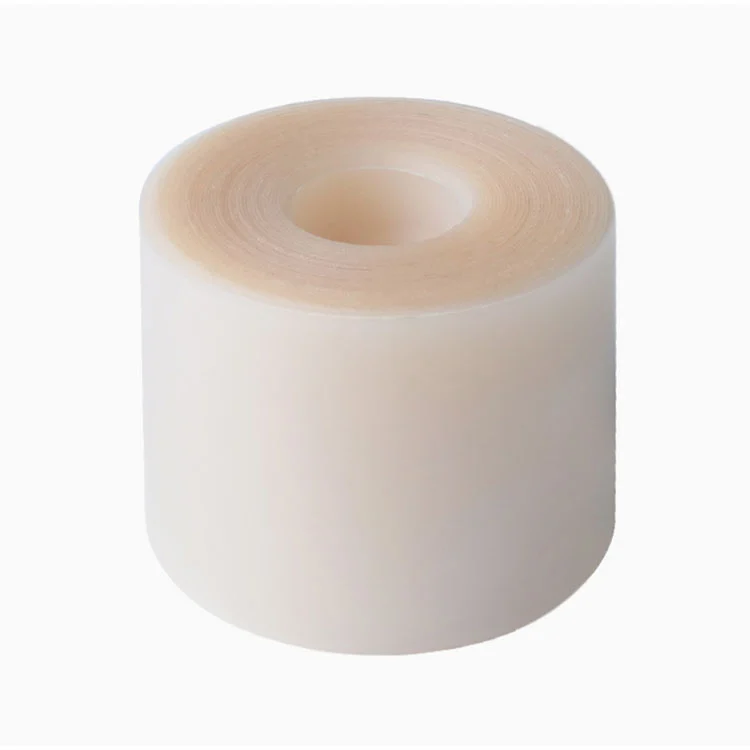
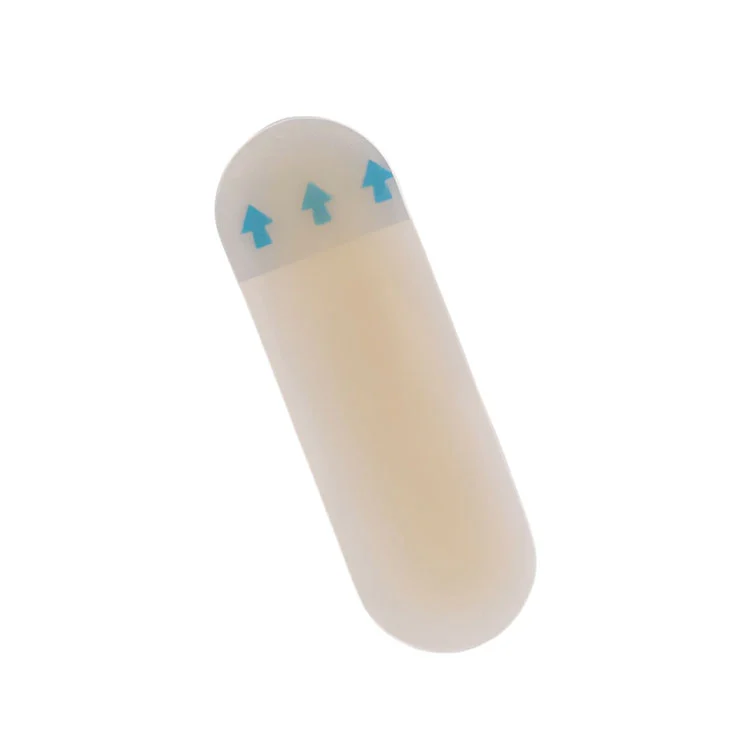
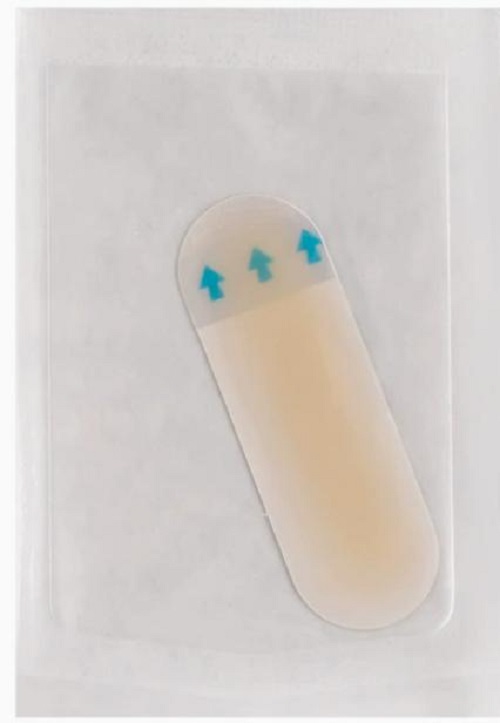
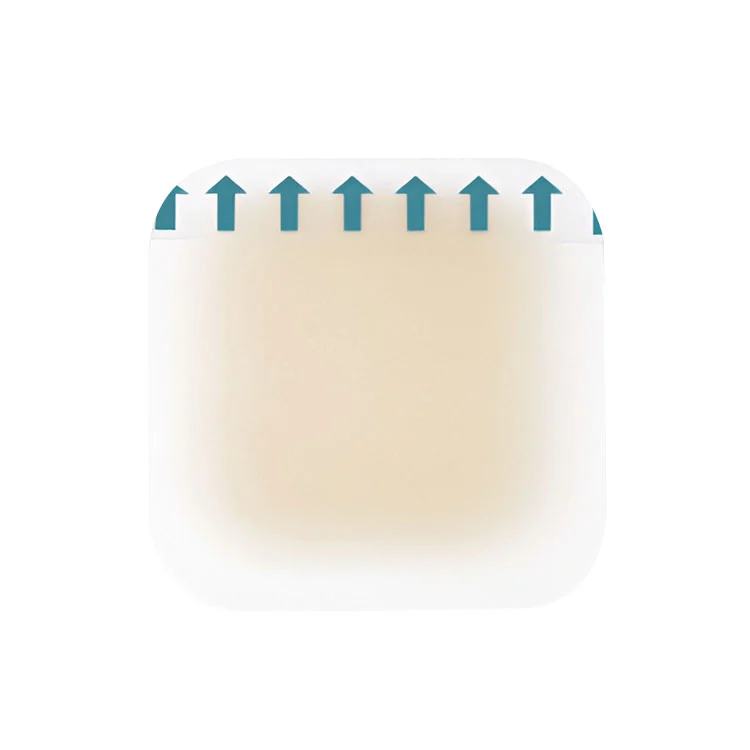
A hydrocolloid patch is an advanced wound dressing made from gel-forming agents such as carboxymethylcellulose combined with elastomers and adhesives. When applied to a blister, the patch interacts with wound exudate to form a soft gel that maintains a moist healing environment.
Unlike conventional bandages, a hydrocolloid patch for blister wound care is designed to stay in place for several days, reduce friction, and act as a protective barrier against bacteria, water, and contaminants.
How Does a Hydrocolloid Patch Work on Blisters?
Hydrocolloid patches operate on the principle of moist wound healing, a concept supported by decades of clinical research. When applied:
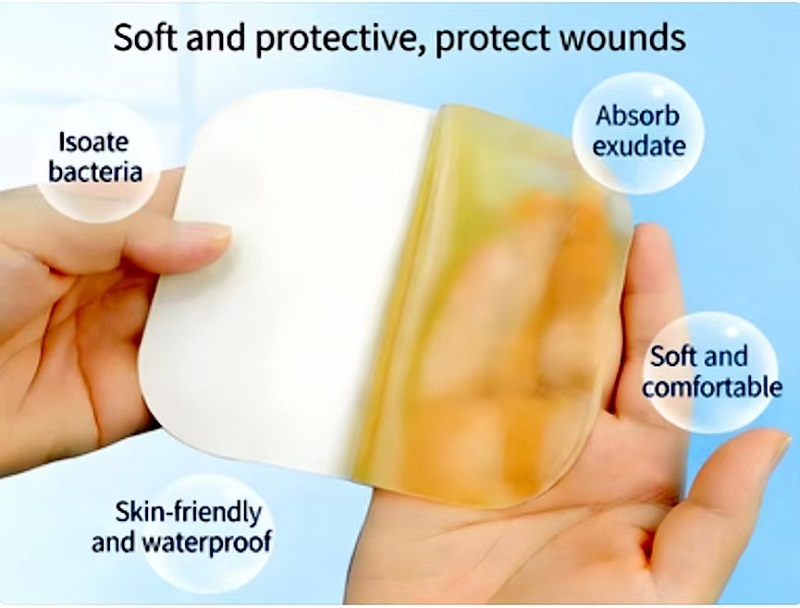
- The patch absorbs blister fluid and transforms into a cushioning gel
- The gel reduces pressure and pain
- The sealed environment prevents bacterial invasion
- Skin cells regenerate faster under moist conditions
This mechanism explains why hydrocolloid patches are widely recommended in both professional healthcare settings and consumer first-aid kits.
Why Are Hydrocolloid Patches Ideal for Blister Wound Care?
The benefits of using a hydrocolloid patch for blister wound care extend beyond basic protection:
- Accelerated healing time
- Reduced pain and friction
- Waterproof and breathable barrier
- Lower infection risk
- Minimal dressing changes
Manufacturers like Taizhou Cmall Biotechnology Co., Ltd. (CMallBio) focus on medical-grade materials to ensure consistent adhesion, skin compatibility, and clinical performance.
Which Blister Types Can Use Hydrocolloid Patches?
| Blister Type | Cause | Hydrocolloid Suitability |
|---|---|---|
| Friction blisters | Shoes, sports, tools | Highly recommended |
| Burn blisters | Heat exposure | Suitable if uninfected |
| Blood blisters | Pinching or trauma | Use with caution |
| Open blisters | Ruptured skin | Recommended with hygiene |
How Do Hydrocolloid Patches Compare with Traditional Dressings?
Compared with gauze or adhesive bandages, hydrocolloid patches offer superior performance:
- Longer wear time without replacement
- No sticking to the wound surface
- Enhanced comfort for walking or movement
- Professional-grade wound healing environment
For a deeper understanding of modern wound healing principles, see the advanced wound care resources provided by clinical education platforms.
How Should a Hydrocolloid Patch Be Used Correctly?
Proper application is essential for optimal results:
- Clean and dry the blister area thoroughly
- Select a patch larger than the blister
- Apply without stretching the skin
- Leave in place until it naturally detaches
Avoid puncturing intact blisters unless advised by a healthcare professional.
Why Is Safety Important in Blister Wound Care?
While hydrocolloid patches are safe for most users, they should not be used on infected wounds or heavily exuding ulcers. Monitoring signs of redness, swelling, or pain is critical. Professional manufacturers such as CMallBio adhere to strict quality and biocompatibility standards to ensure patient safety.
Frequently Asked Questions
What is a hydrocolloid patch for blister wound care?
A hydrocolloid patch for blister wound care is a moisture-retentive dressing that protects blisters, reduces pain, and promotes faster skin regeneration by maintaining an optimal healing environment.
How long should a hydrocolloid patch stay on a blister?
A hydrocolloid patch can typically remain in place for 3 to 7 days, depending on blister size and fluid absorption, and should be removed only when it loosens naturally.
Why do hydrocolloid patches turn white during use?
The white or cloudy appearance indicates that the patch has absorbed wound exudate and is actively forming a healing gel, which is a normal and expected process.
Which blisters heal faster with hydrocolloid patches?
Friction blisters on feet, hands, and toes generally heal faster due to reduced pressure, cushioning, and continuous protection.
How are hydrocolloid patches different from normal bandages?
Unlike normal bandages, hydrocolloid patches provide a sealed, moist environment, stay in place longer, and do not adhere directly to the wound surface.
What Are the Authoritative References?
- World Health Organization – Wound Care Guidelines
- Journal of Wound Care – Moist Healing Research
- WoundSource Clinical Education Platform
- Manufacturer technical documentation from CMallBio
Related News
- How to Manage Old Raised Scars at Home: The Growing Role of Silicone Gel Scar Sheets
- How CmallBio Hydrocolloid Patches Reduce Inflammation Fast?
- Diabetes Foot Care: Precautions for Using Cmallbio Hydrocolloid Dressing
- What Scar Patch Is Best for C-Section Hypertrophic Scars? A 2026 Medical-Grade Scar Patch Buying Guide
- Runner’s Foot Care: Why Hydrocolloid Heel Patches Are Worth Keeping on Hand?
- How to Use CmallBio Pimple Patches Overnight for Maximum Results?
Leave me a message